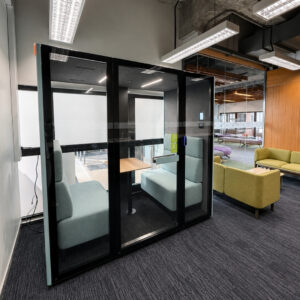

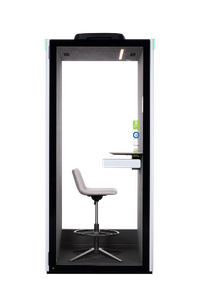
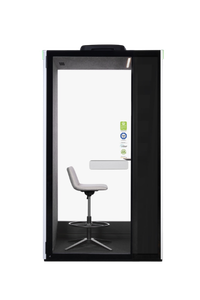
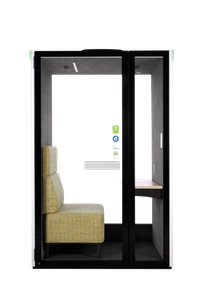
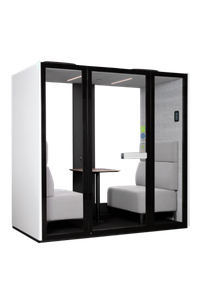
Open plan offices, shared libraries and busy campus buildings all share the same problem. Rarely is there a quiet place to think, take a call or hold a private conversation. That is exactly the gap acoustic office pods were built to close.
What Is an Acoustic Office Pod?
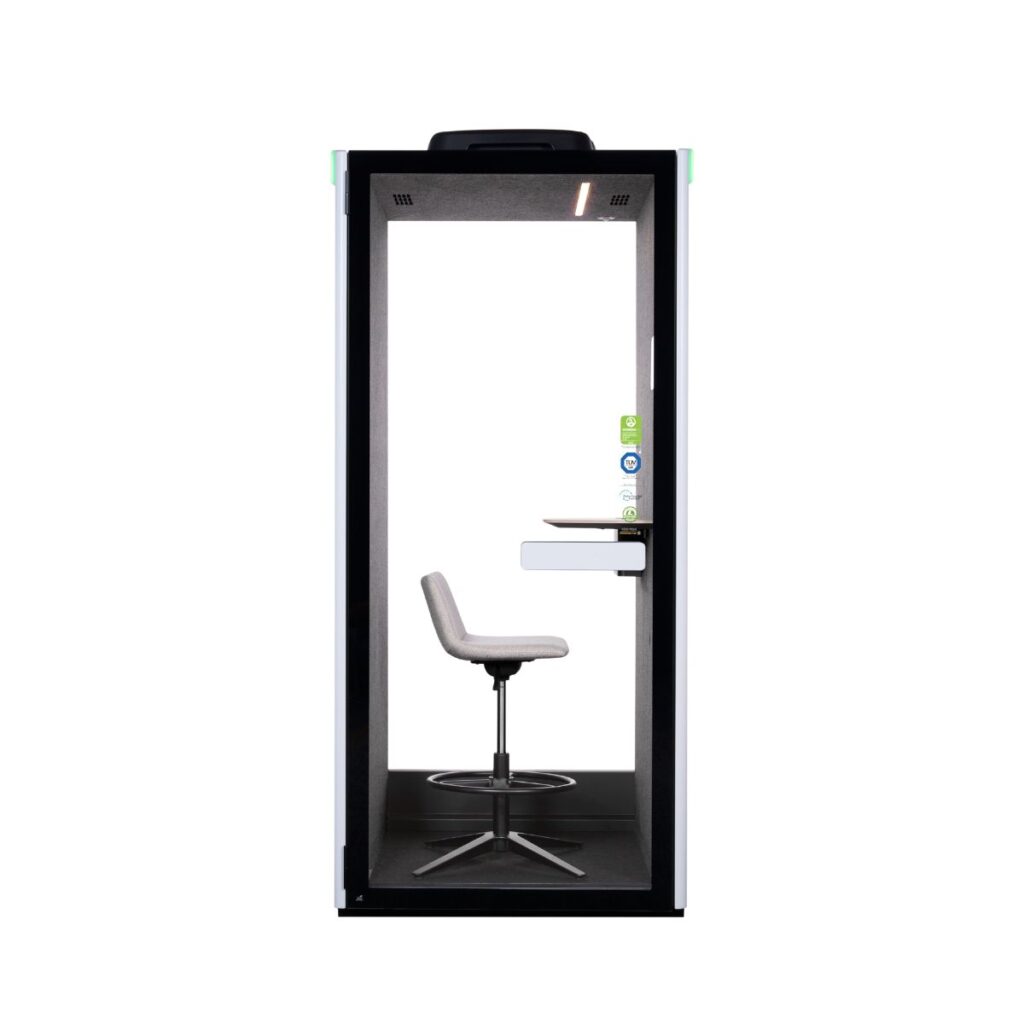
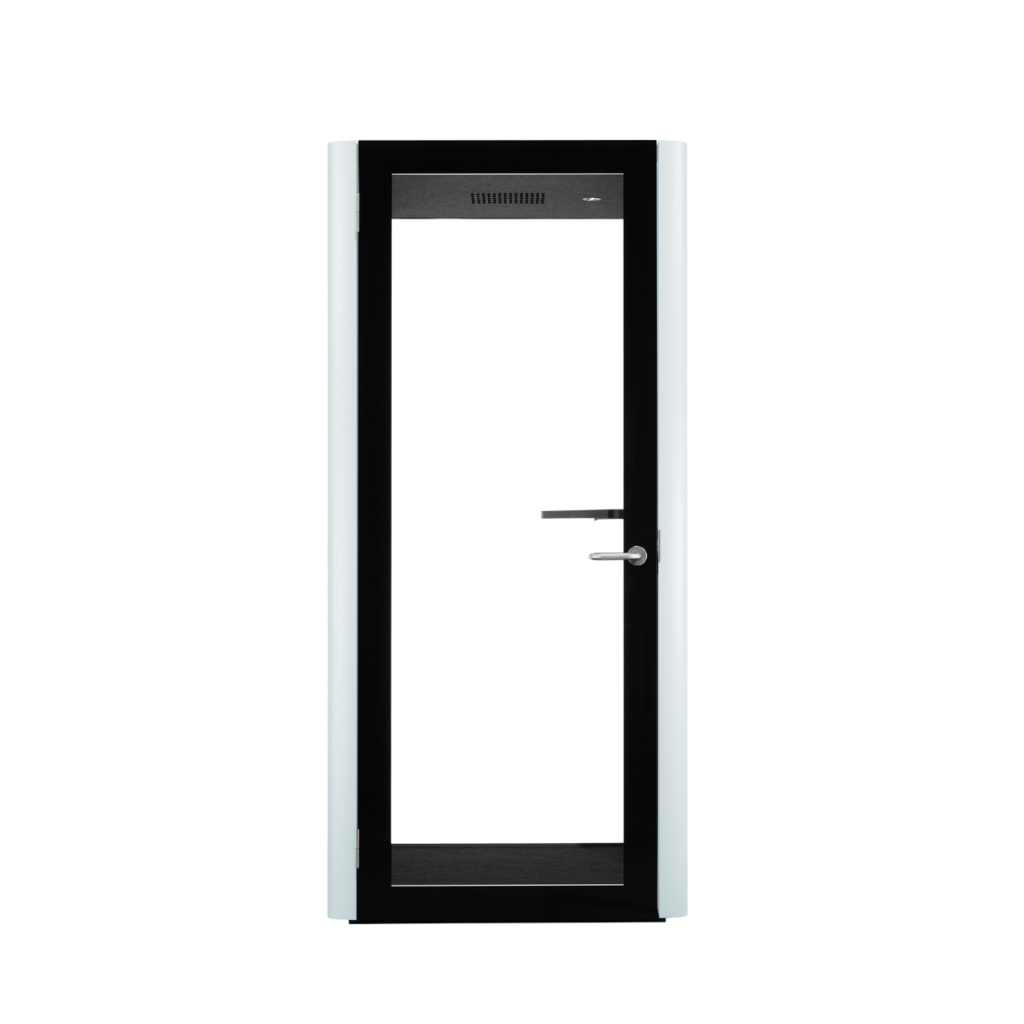
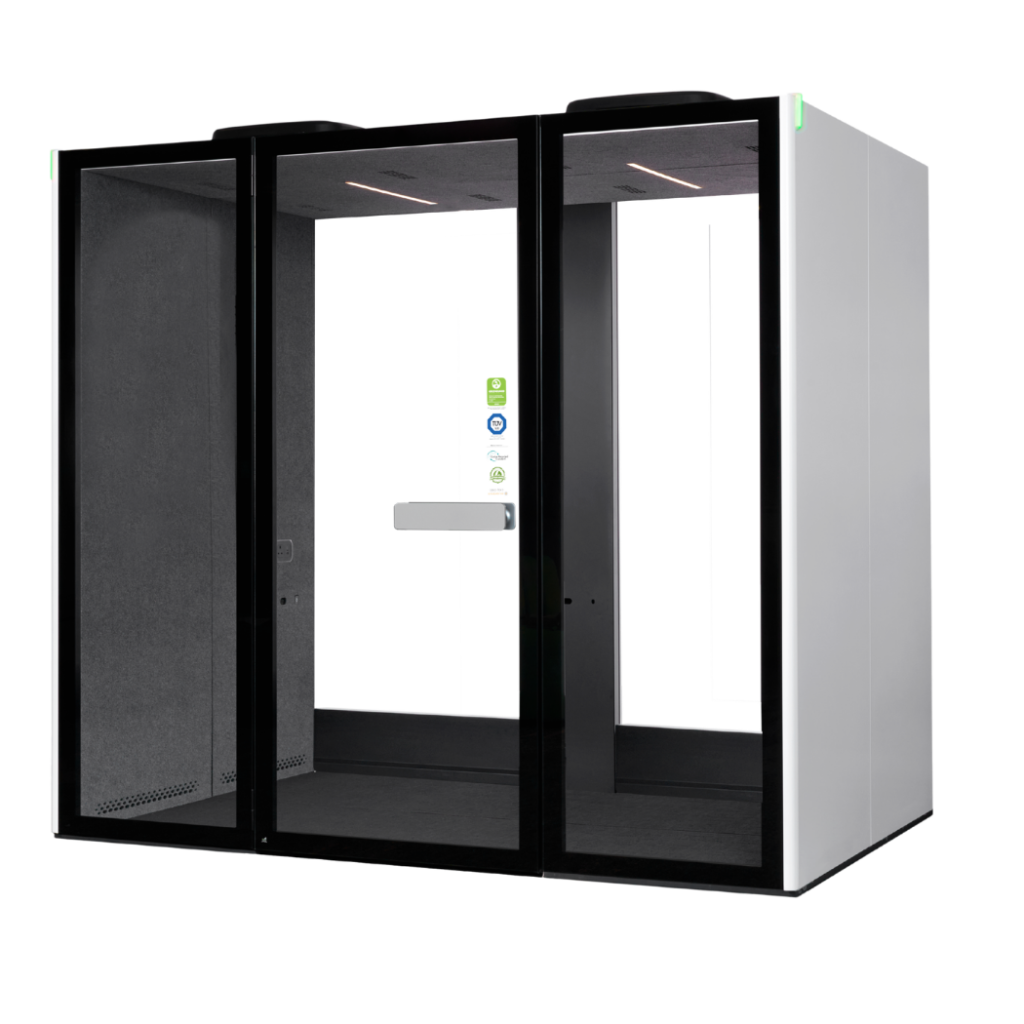
An acoustic office pod is a self contained, soundproofed booth that sits inside a larger space. It blocks outside noise and contains sound from within, so the person inside gets a private, controlled environment for calls, meetings, focused work or study.
Unlike a traditional meeting room, a pod does not require construction or a permanent change to a building’s layout. In addition, most pods are modular, so teams can assemble, move or reconfigure them as needs change. As a result, pods give organizations a practical option for privacy and quiet without the cost or delay of renovation.
How Acoustic Pods Work?
Acoustic pods rely on a combination of materials and design choices to manage sound.
Sound absorbing panels. Manufacturers line the interior walls with acoustic foam or fabric panels that reduce echo and soften sound reflected inside the pod.
Sound blocking structure. The outer shell, often made of layered materials, stops noise from passing through the walls in either direction.
Sealed entry points. Builders fit doors and joints tightly to minimize gaps where sound could leak through.
Ventilation systems. Since a sealed pod needs airflow, most models include a ventilation fan that keeps the space comfortable without compromising the acoustic seal.
Together, these elements allow a pod to reduce noise transfer significantly compared to an open desk or shared room, and they do it without needing to be part of a building’s original construction.
Where Acoustic Pods Are Used?
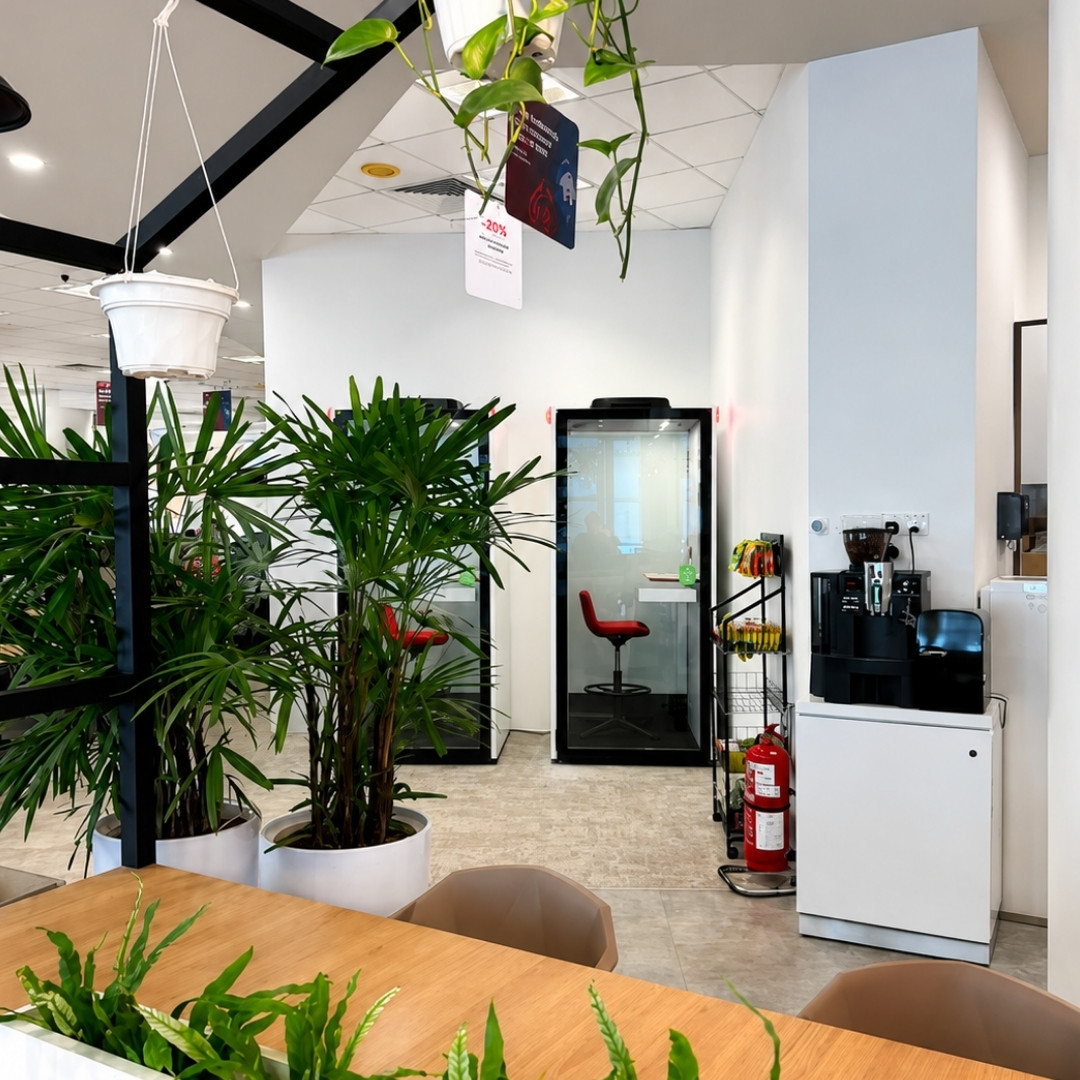
Acoustic pods have moved well beyond the corporate office. In fact, institutions across several sectors now use them for similar reasons: limited space, high foot traffic and a growing need for private, flexible areas.
Schools and universities. Pods provide quiet spaces for tutoring, online exams, counseling sessions and focused study in buildings that architects never originally designed with private rooms in mind.
Libraries. Pods give patrons a place for calls, group study or virtual meetings without disrupting the quiet expected in the rest of the space.
Corporate offices. Pods support video calls, one on one conversations and deep focus work in open plan layouts where private rooms are limited or unavailable.
Coworking spaces. Shared workspaces use pods to offer members privacy on demand without permanently allocating floor space to enclosed rooms.
Why Institutions Are Choosing Acoustic Pods Over Construction?
For schools, universities and other institutional buyers, building new private rooms is often slow, expensive and disruptive to daily operations. Acoustic pods offer a faster alternative.
No structural work required. Teams install pods rather than build them, which means no permits, no contractors and no downtime for surrounding areas.
Reusable and relocatable. If a department moves or a building undergoes reconfiguration, pods can move with it.
Predictable cost. Because a pod is a single equipment purchase rather than a construction project, budgeting becomes more straightforward for procurement teams.
Faster deployment. Most teams can assemble a pod and have it ready for use within a day, compared to weeks or months for a built room.
What to Look for When Choosing an Acoustic Pod?
Not all pods offer the same level of sound control or durability. Therefore, when evaluating options, institutional buyers should consider a few key factors.
Noise reduction rating. This indicates how effectively the pod blocks sound both entering and escaping. As a rule, higher ratings matter more in noisy or high traffic environments.
Ventilation quality. A pod used for extended periods, such as a full study session or a long call, needs reliable airflow to remain comfortable.
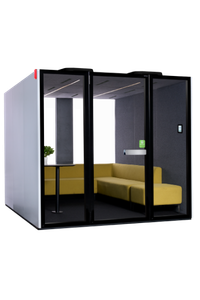
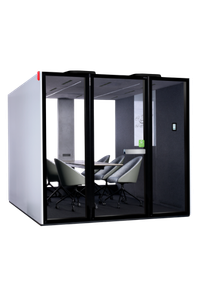
Size and capacity. Pods range from single person booths to small meeting spaces for four or more people. Ultimately, the right size depends on intended use.
Ease of installation and assembly. Since one of the main advantages of a pod is avoiding construction, the installation process itself should stay simple and fast.
Certifications and compliance. For institutional buyers, procurement approval often requires documentation around fire safety, electrical standards and building compliance.
Final Thoughts
An acoustic office pod solves a simple but persistent problem. Shared spaces are rarely designed with privacy or quiet in mind, and retrofitting a building to add private rooms is often not realistic. Pods offer a practical, flexible way to create that space without construction, giving schools, universities, libraries and businesses a controlled environment for focus, calls and private conversations whenever it is needed.
To learn more about Winpod and explore our acoustic workspace solutions, visit www.winpodacoustics.com.