


Open plan layouts changed how offices, schools and shared institutional spaces get used. They also introduced a problem that architects rarely solve well: noise. Conversations, calls, footsteps and ventilation all blend into a constant background hum that quietly erodes focus. This guide breaks down why office acoustics matter, what causes the problem, and what actually works to fix it.
Why Office Acoustics Matter
Sound is not just a comfort issue. It directly shapes how well people can concentrate, communicate and retain information throughout the day.
Cognitive load increases with background noise. Tasks that rely on working memory, such as writing, analysis or problem solving, become noticeably harder when speech is audible in the background. Routine tasks stay largely unaffected, but demanding work suffers.
Distraction compounds over the workday. A single interruption costs only a moment. Repeated interruptions across a full day, however, add up to a measurable drop in output and an increase in fatigue.
Privacy affects willingness to communicate. When people know someone could overhear a conversation, they lower their voice, cut the conversation short or avoid it altogether. Over time, this discourages the kind of spontaneous collaboration open offices were meant to encourage.
Satisfaction and retention connect to the physical environment. Employees, students and staff consistently rank noise and lack of privacy among their top frustrations with shared spaces. Dissatisfaction with the physical environment, in turn, contributes to disengagement.
What Causes Poor Acoustics in Shared Spaces
Before fixing an acoustics problem, it helps to understand where the sound is actually coming from.
Human speech. In most offices, schools and libraries, the primary source of distracting noise is not machinery or traffic outside. It is the voices of other people nearby, whether from conversations, calls or group discussions.
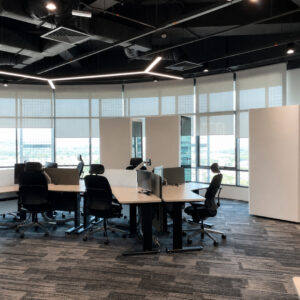
Hard, reflective surfaces. Glass partitions, concrete floors and bare walls reflect sound rather than absorbing it. This allows noise to travel further and echo longer than it would in a softer environment.
Lack of separation between zones. When quiet focus areas sit directly next to collaborative or high traffic zones, sound bleeds between them. This happens regardless of how considerate people try to be.
Insufficient private space. Without enough enclosed rooms or pods for calls, meetings and focused work, people end up having those conversations in open areas. That, in turn, adds to the ambient noise everyone else has to work around.
How to Measure Whether Noise Is a Real Problem
People often describe acoustic issues in vague terms like “too loud” or “distracting,” which makes them hard to act on. One useful, more objective measure is the speech transmission index, often written as STI. This measures how intelligible speech is within a space. On this scale, a low value means speech is hard to understand, while a high value means it comes through clearly.
For focus areas, a lower STI is preferable, since less intelligible background speech is less distracting. For meeting rooms and spaces meant for communication, a higher STI supports clarity. Understanding this distinction helps explain why the same space cannot serve both purposes well without some form of acoustic separation.
Practical Ways to Improve Office Acoustics
No single fix solves an acoustics problem on its own. Effective results usually come from combining a few of the following approaches.
Add Enclosed, Private Spaces
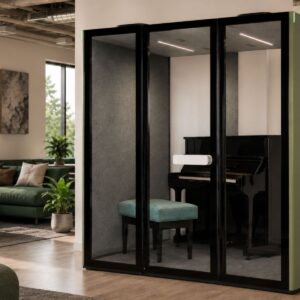
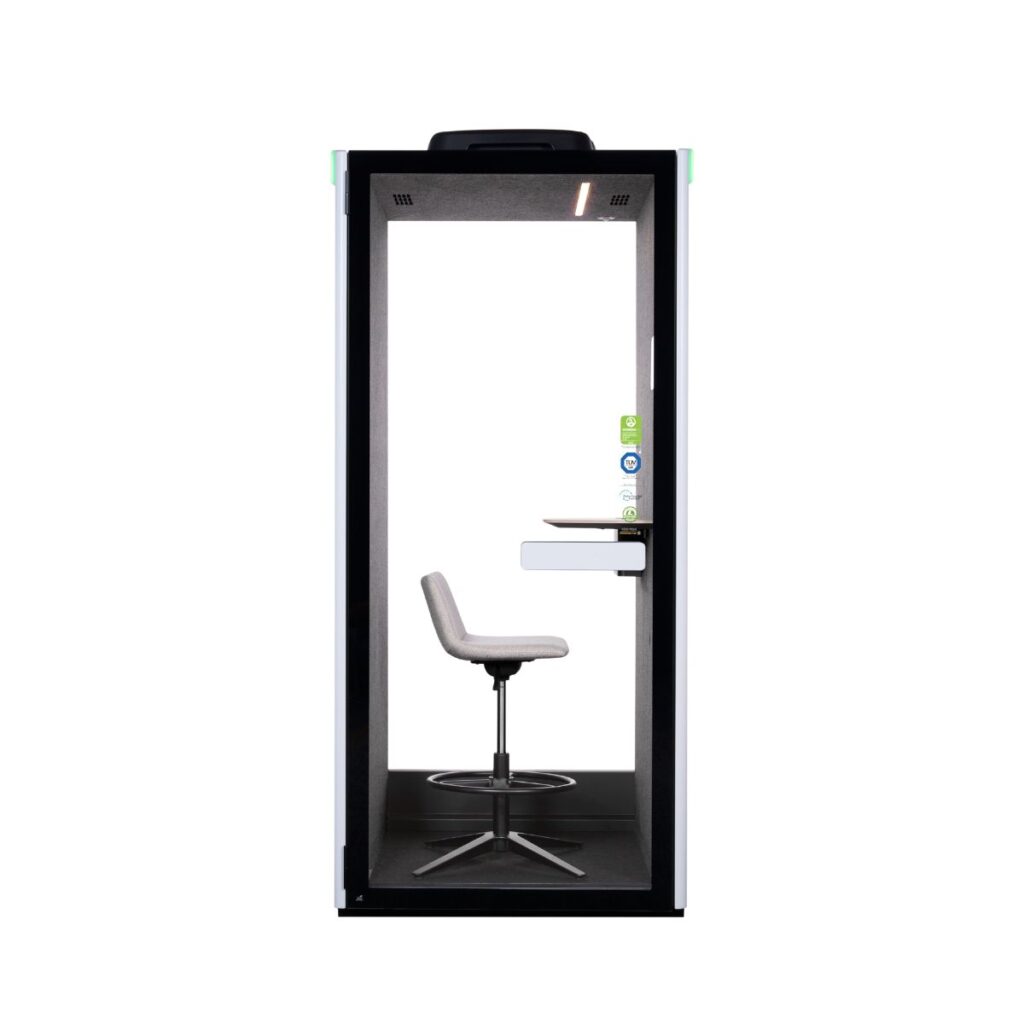
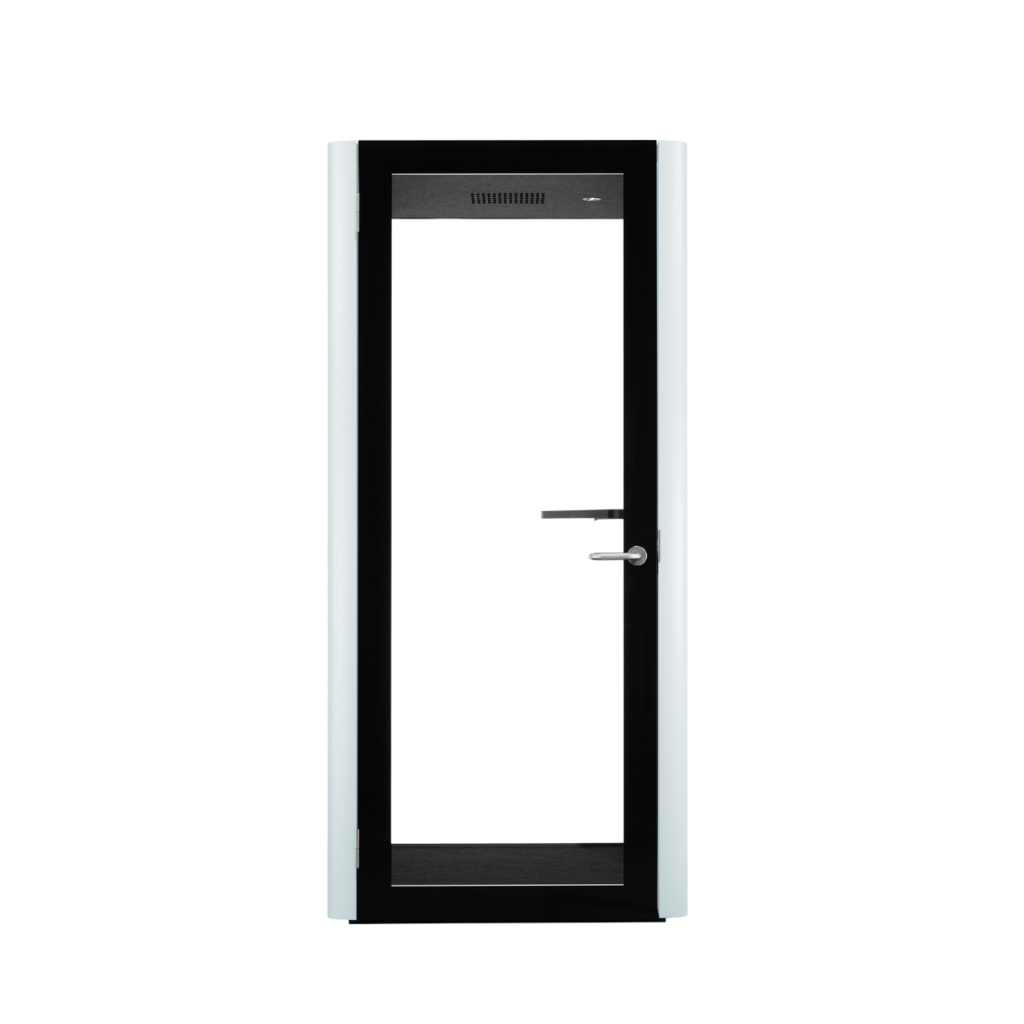
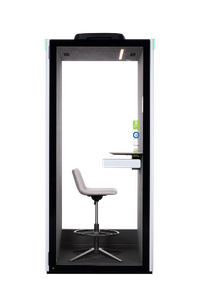
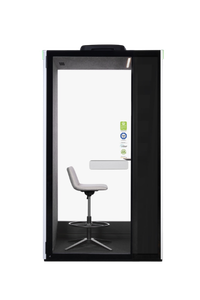
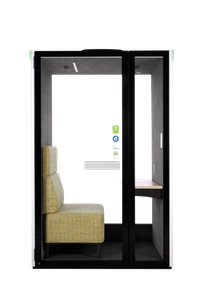
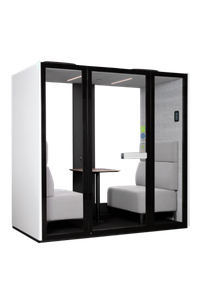
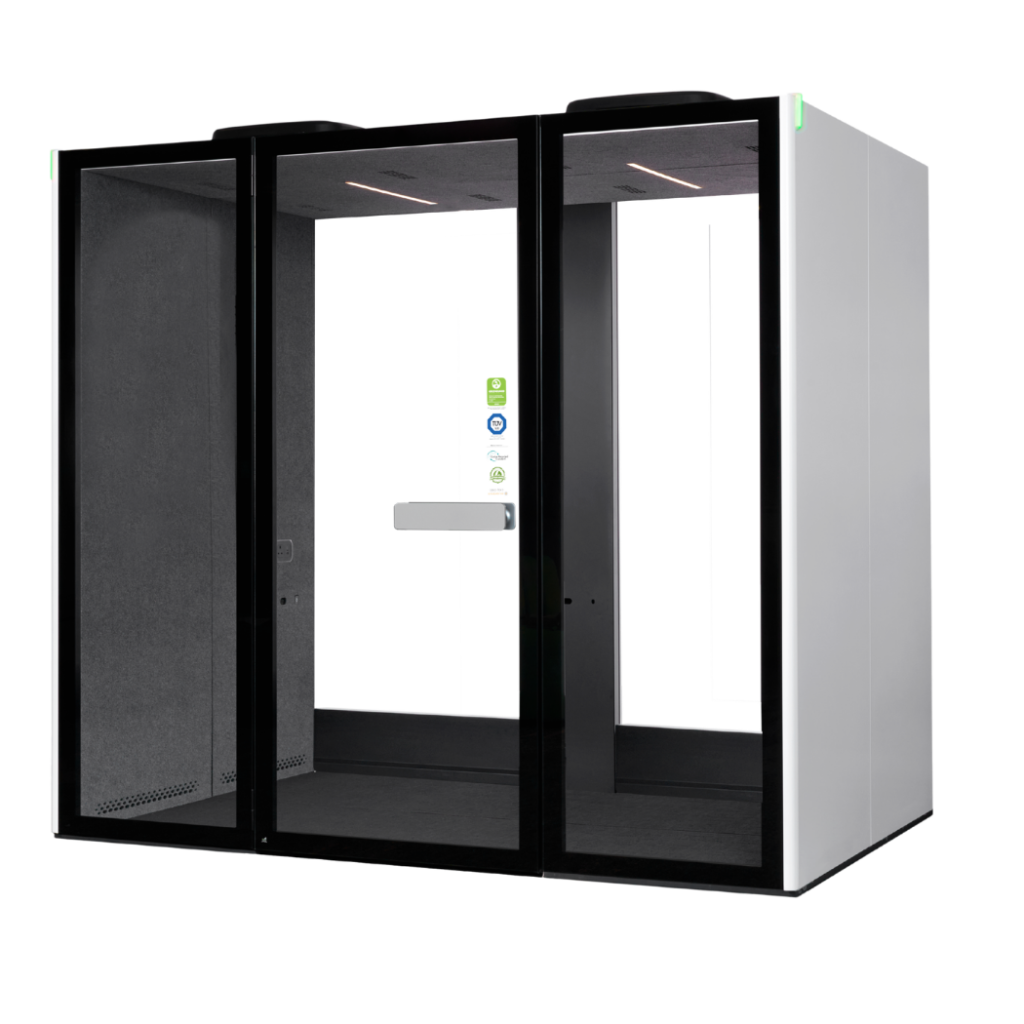
The single most effective way to reduce noise conflict in a shared space is to give people somewhere else to go. That means a place for calls, meetings and focused work. Acoustic pods and booths serve this purpose without requiring construction. Teams can place them directly within an open plan layout, a library floor or a school corridor.
For an enclosed space to meaningfully reduce sound transfer, it generally needs a speech level reduction well above what a simple partition or curtain provides. This is why purpose built acoustic pods, rather than makeshift dividers, tend to be the more reliable solution for institutions that need real privacy.
Use Sound Absorbing Materials
Carpets, acoustic panels, upholstered furniture and ceiling baffles all help absorb sound rather than reflect it. Place absorptive materials on at least two surfaces that do not directly face each other. This reduces the flat, parallel reflections that cause echo and let sound carry further than it should.
Establish Zoning and Usage Norms
Physical solutions work better when paired with clear expectations about how different areas get used. Designate certain zones for quiet, focused work and others for open discussion. This gives people a shared understanding of where different behaviors belong, which reduces the friction that comes from unclear norms.
Consider Sound Masking
Sound masking introduces a subtle, steady background sound tuned to the frequency range of human speech. Rather than blocking noise outright, it reduces how intelligible nearby conversations are, which lowers their distraction potential. This works best as a supplement to physical solutions rather than a replacement for them.
Office Acoustics in Institutional Settings
Much of the research and product development around acoustics has focused on corporate offices. However, the same underlying problems show up just as often in schools, universities and libraries. Lecture halls, open study areas and shared administrative spaces all face the same core issue: too many people, too little separation, and no easy way to create quiet on demand.
For institutions, the case for investing in better acoustics is arguably stronger. Students need focused environments for exams, tutoring and independent study. Staff and faculty, meanwhile, need private space for counseling sessions, calls and confidential conversations. Many institutional buildings simply were not designed with these needs in mind. As a result, modular solutions like acoustic pods offer a practical way to retrofit privacy into existing spaces without a full renovation.
Frequently Asked Questions
What is office acoustics? Office acoustics refers to how sound behaves and how teams manage it within a workspace. The goal is to reduce distraction and support privacy. It covers everything from the materials in a space to the layout and the technology deployed to manage background noise.
What is the fastest way to improve acoustics in an existing space? Adding private, enclosed spaces such as acoustic pods typically delivers the most immediate improvement. It directly removes the source of distracting conversation from the open area rather than only softening it.
Do acoustic pods actually work? Yes. A well built acoustic pod combines sound absorbing interior materials with a sealed, sound blocking structure. Together, these elements reduce speech transfer significantly compared to an open desk or an unenclosed corner of a room.
Final Thoughts
Good office acoustics rarely comes from a single change. It comes from combining the right physical spaces, the right materials and clear norms about how a space gets used. For organizations and institutions dealing with persistent noise complaints, starting with private, purpose built spaces like acoustic pods tends to deliver the clearest and fastest improvement. Sound absorbing materials and thoughtful zoning then reinforce that result over time.
To learn more about Winpod and explore our acoustic workspace solutions, visit www.winpodacoustics.com.