
Most offices are designed around getting work done. Desks, meeting rooms and collaboration areas dominate the floor plan, while quiet spaces for rest and recovery are often treated as an afterthought.
But a productive workplace is not only about providing places to work. Employees also need opportunities to step away from noise, conversations and constant stimulation throughout the day.
Creating a more relaxing office does not require a complete redesign. Thoughtful improvements to acoustics, lighting, comfort and access to quiet spaces can help create a calmer and more supportive working environment.
This guide explores practical ways to create a relaxing office while supporting focus, comfort and workplace wellbeing.
Why Relaxation at Work Matters
Relaxation at work does not mean reducing productivity. In many cases, allowing employees to take short breaks and move away from demanding tasks can help them return to work feeling more refreshed.
Short breaks support recovery. Continuous work without opportunities to pause can contribute to mental fatigue. Brief breaks throughout the day give employees a chance to step away from demanding tasks before returning to them.
Concentration needs recovery. Sustained attention is difficult to maintain indefinitely. Short mental breaks can help employees reset their attention, particularly during long periods of focused or repetitive work.
The workplace experience matters. Employees experience their work environment every day. Factors such as noise, privacy, comfort, lighting and access to quiet spaces can influence how comfortable and supported people feel at work.
Creating an office that supports both productivity and recovery can therefore contribute to a better overall workplace experience.
Balance the Three Types of Space
A well-designed office should support different activities throughout the working day. In general, workplaces benefit from having three types of space.
Working space. Desks, focus rooms, office pods and quiet zones support individual work that requires concentration.
Social space. Lounge areas, break rooms, cafés and informal seating encourage casual conversations, interaction and team connection.
Recovery space. Quiet and private areas give employees somewhere to step away from conversations, phone calls and busy surroundings for a short period.
Many workplaces provide plenty of working and collaboration space but relatively little space for quiet recovery.
The goal is not to divide the office equally between these three categories. Instead, the workplace should provide enough variety for employees to choose an environment that suits what they need to do at different points during the day.
Practical Ways to Build a More Relaxing Office
Create Genuinely Private Spaces
Open-plan offices make collaboration easier, but they can also make it difficult to find somewhere private and quiet.
A dedicated quiet room is one solution, but not every workplace has spare rooms available.
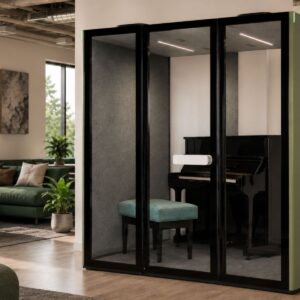
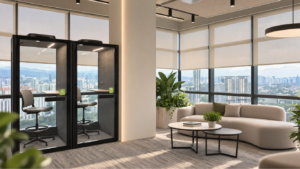
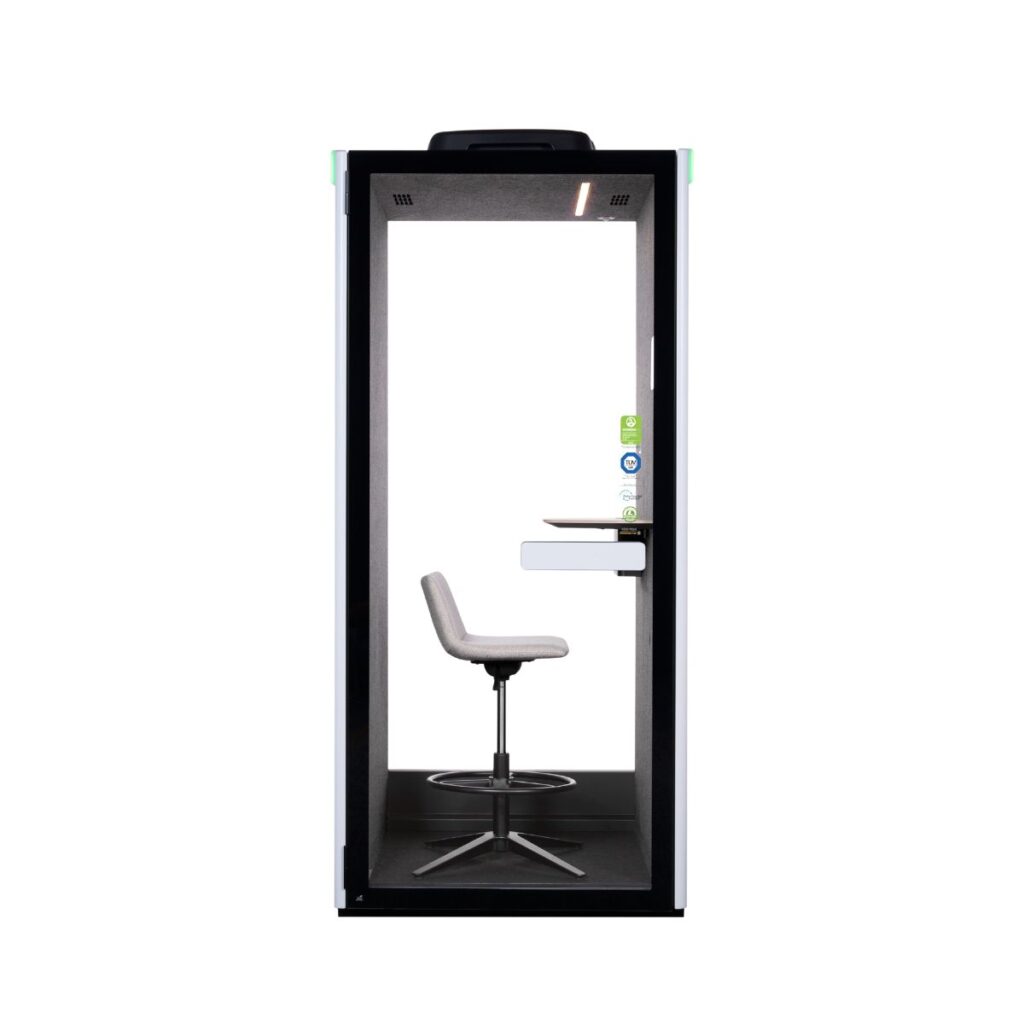
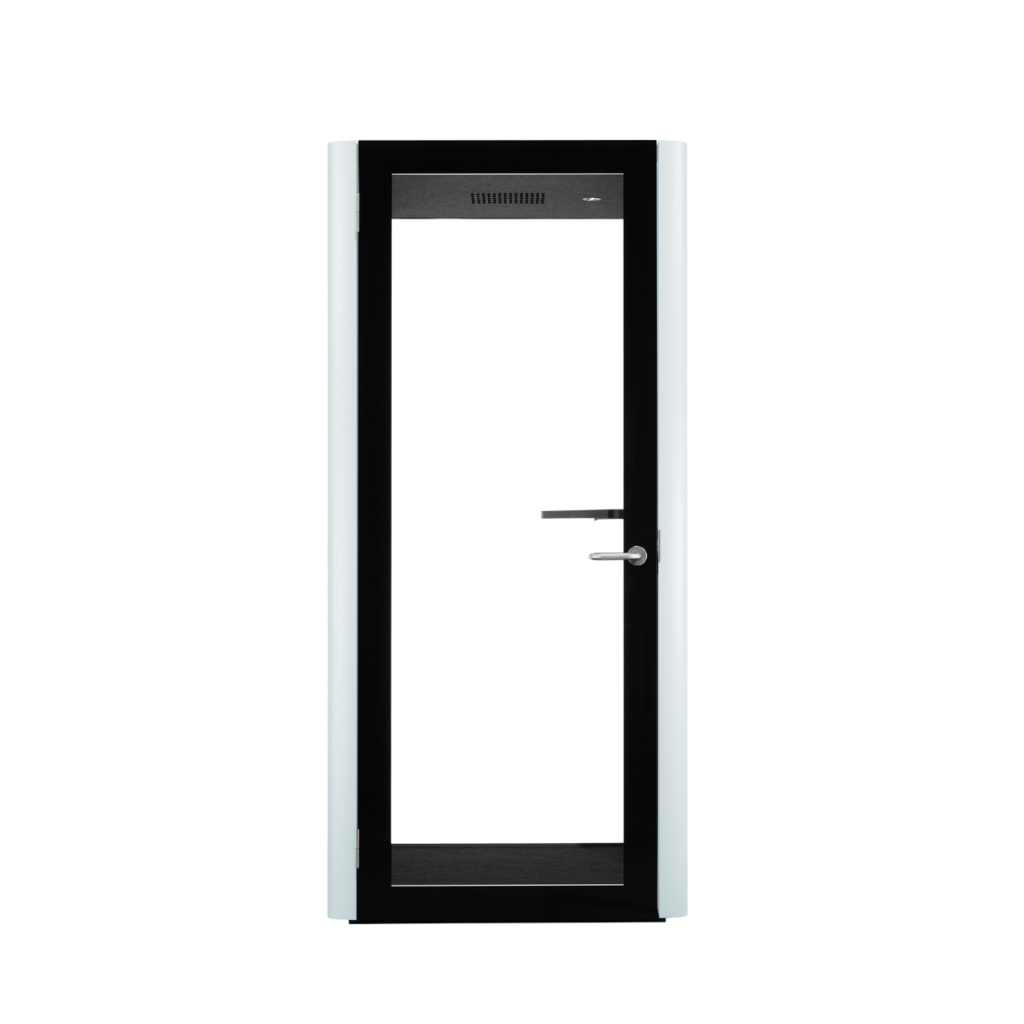
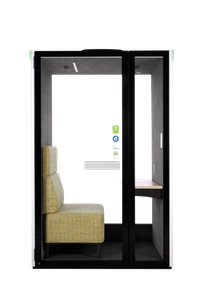
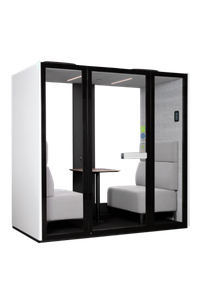
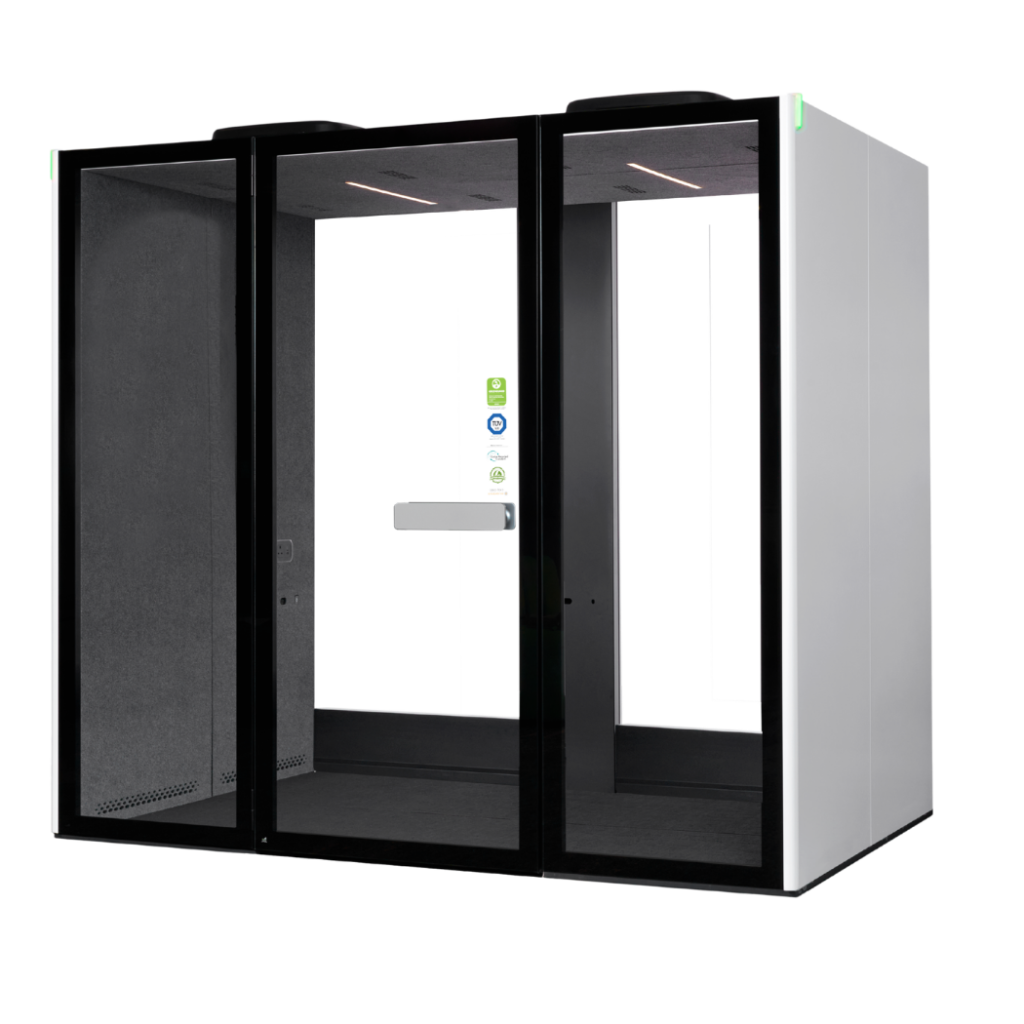
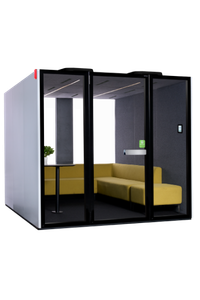
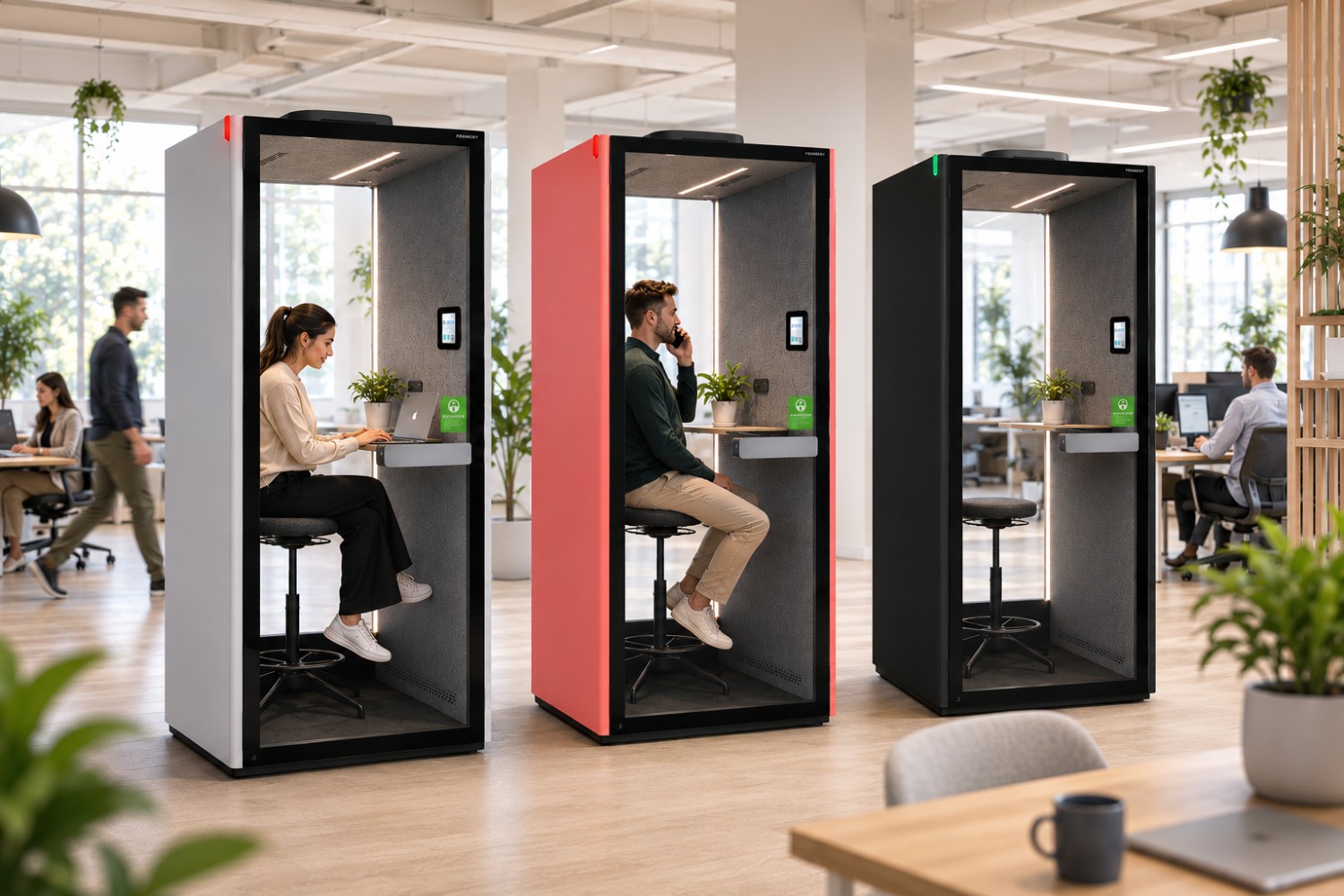
Acoustic office pods provide another option. They create an enclosed space for phone calls, focused work, video meetings or a short break from the surrounding office without requiring permanent construction.
Even a short period away from conversations, ringing phones and interruptions can give employees an opportunity to reset before returning to focused work.
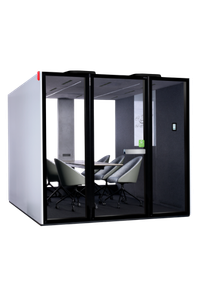
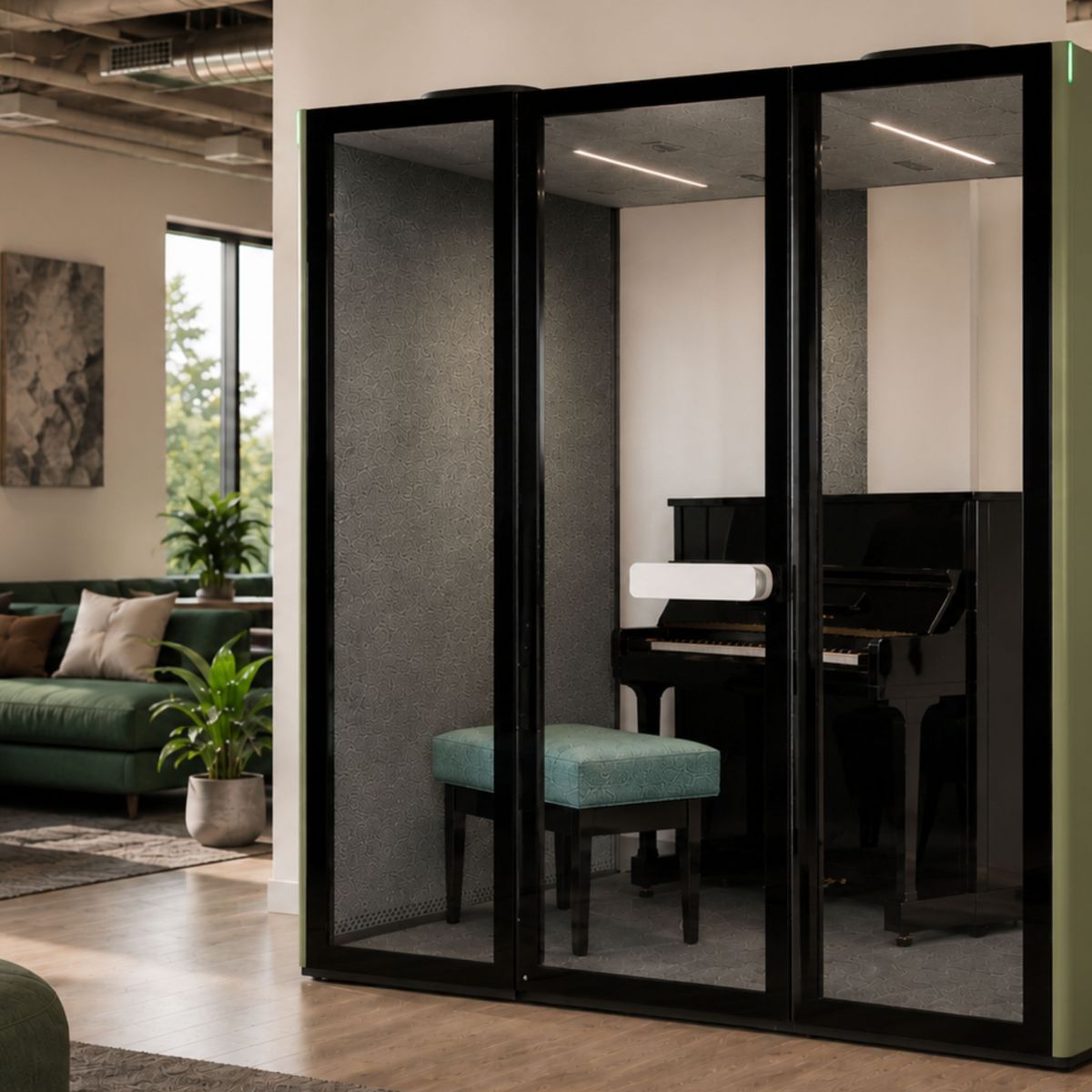
For workplaces with different requirements, office phone booths can support individual calls, work pods can provide space for concentration, and larger meeting pods can accommodate private conversations and small group meetings.
Bring in Natural Elements
Plants and other natural elements can make an office feel warmer, calmer and more welcoming. They can also support a biophilic approach to workplace design.
However, ordinary office plants should not be considered a replacement for proper ventilation or air filtration.
Where possible, offices can also make better use of daylight.
Positioning desks and shared spaces near windows can help create a brighter working environment. Adjustable blinds or sheer curtains can help manage glare while still allowing natural light into the space.
Well-designed artificial lighting is equally important, particularly in areas that receive limited daylight.
Choose Calming Materials and Colours
The visual environment can affect how busy or calm an office feels.
Neutral, soft or muted colour palettes can create a quieter visual atmosphere, particularly in spaces intended for focused work or relaxation.
Materials can also help manage sound.
Carpet, acoustic wall panels, curtains and upholstered furniture absorb more sound than hard surfaces such as concrete, glass and tile.
Using softer materials strategically can therefore improve both the visual and acoustic comfort of the workplace.
Manage Office Acoustics Deliberately
Noise is one of the most common distractions in shared workplaces.
Nearby conversations, phone calls, meetings, equipment and general office activity can make concentration more difficult, particularly in open-plan environments.
Improving workplace acoustics does not necessarily require major construction.
Acoustic wall and ceiling panels can help absorb sound, while sound masking systems can make nearby conversations less noticeable.
Acoustic office pods provide another layer of privacy by containing conversations within an enclosed space and giving employees somewhere quieter to work.
Combining several acoustic solutions is often more effective than relying on one solution alone.
Support Physical Comfort
A relaxing workplace also needs to be physically comfortable.
Ergonomic chairs, appropriately positioned monitors and adjustable desks can help employees maintain more comfortable working positions throughout the day.
Where possible, giving employees the option to alternate between sitting and standing also introduces more physical variety into the working day.
Small ergonomic improvements can improve how comfortable a workstation feels over several hours.
Encourage Movement
Employees do not need elaborate workplace fitness facilities to move more during the day.
Short walks, stretching, standing during phone calls or holding occasional walking meetings can provide natural opportunities to move away from a desk.
Employers can also create a small stretching area or simply encourage a workplace culture where stepping away from the desk for a few minutes is considered normal.
Allow Some Personalisation
Small personal touches can make a workplace feel less generic.
Depending on company policies, employees may be able to personalise their desks with items such as photographs, small plants or simple decorative objects.
Giving employees some control over their immediate workspace can help create a more comfortable and familiar environment without requiring major investment.
Relaxation Spaces Matter Beyond the Corporate Office
The same principles also apply outside traditional corporate offices.
Schools, universities, libraries, healthcare facilities and other workplaces often contain busy shared environments where staff experience frequent conversations and interruptions.
Teachers, administrative teams and other employees may benefit from having access to quiet spaces where they can make a private call, complete focused work or simply step away from a busy environment for a short period.
In buildings where constructing new rooms is difficult, acoustic pods can provide a flexible way to introduce additional private space without making permanent structural changes.
Frequently Asked Questions
How can employers create a more relaxing office environment?
Start by looking at how the office supports different activities. Employees should have access to spaces for focused work, collaboration and quieter moments.
Improvements such as better acoustic treatment, comfortable furniture, appropriate lighting and access to private spaces can help create a calmer workplace without requiring a complete renovation.
What are the benefits of a relaxing workplace?
A well-designed workplace can support employee comfort, concentration and overall workplace wellbeing.
Reducing unnecessary noise and distractions while providing comfortable areas for focused work and short breaks can help create an environment where employees find it easier to work throughout the day.
Can acoustic pods help create a quieter workplace?
Yes. Acoustic pods provide an enclosed space that separates users from some of the noise and visual distractions of an open office.
Depending on the size and configuration, they can be used as office phone booths, focused work pods or private meeting pods.
They work best as part of a wider acoustic strategy that may also include sound-absorbing materials, thoughtful office layouts and appropriate sound management.
What is the easiest way to start improving office relaxation?
Begin by identifying the biggest sources of discomfort or distraction.
For many open-plan offices, noise and lack of privacy are good places to start.
Adding acoustic materials, reorganising noisy areas or creating access to a quiet private space can improve the working environment without requiring a complete office redesign.
Final Thoughts
Creating a relaxing office is not about adding a nap room, games area or expensive wellness feature.
It starts with the fundamentals: manageable noise levels, comfortable furniture, appropriate lighting, access to privacy and spaces that support different types of work.
A well-planned workplace should allow people to collaborate when they need to, concentrate when they need to and step away from busy surroundings when they need a quieter environment.
Whether it is a corporate office, school, university or other shared workplace, creating the right balance between working, social and quiet spaces can make the environment more comfortable and functional.
If your workplace needs additional private space without building new rooms, Winpod offers acoustic office pods ranging from individual phone booths and work pods to larger meeting pods designed for modern workplaces.
Explore Winpod acoustic workspace solutions at https://winpodacoustics.com/contact-us/.