
The Growing Demand for Quiet Study Spaces on Campus
Ask any librarian, facilities manager, or dean of students what they hear most often, and it won’t be about books or budgets. Instead, it will be about noise. As campuses and libraries shift toward open plan layouts, collaborative zones, and shared learning commons, one thing keeps disappearing: quiet study space.
Students consistently rank access to quiet, focused study areas as a top priority, often above Wi-Fi speed or seating comfort. However, most institutions still rely on buildings that were never designed for today’s mix of group work, video calls, and heads down studying happening in the same open room.
This is exactly the gap acoustic pods are built to close.
Why Traditional Study Rooms Aren’t Enough
Reserving a study room sounds simple, but the reality on most campuses tells a different story:
- Limited rooms, high demand. A handful of enclosed study rooms simply can’t serve a library or building with hundreds of daily visitors.
- Construction costs. Building new soundproof rooms requires walls, doors, HVAC changes, and permits, which quickly becomes expensive and slow.
- Inflexible space. Once a wall goes up, that square footage stays locked into one layout for years.
By contrast, acoustic pods solve each of these problems without the construction timeline or cost of a full room build out.
What Is an Acoustic Pod (and How Does It Create a Quiet Study Space)?
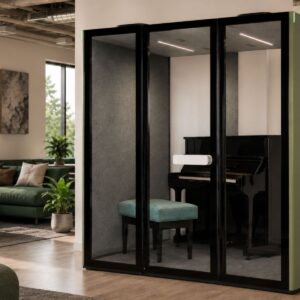
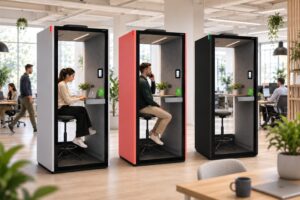
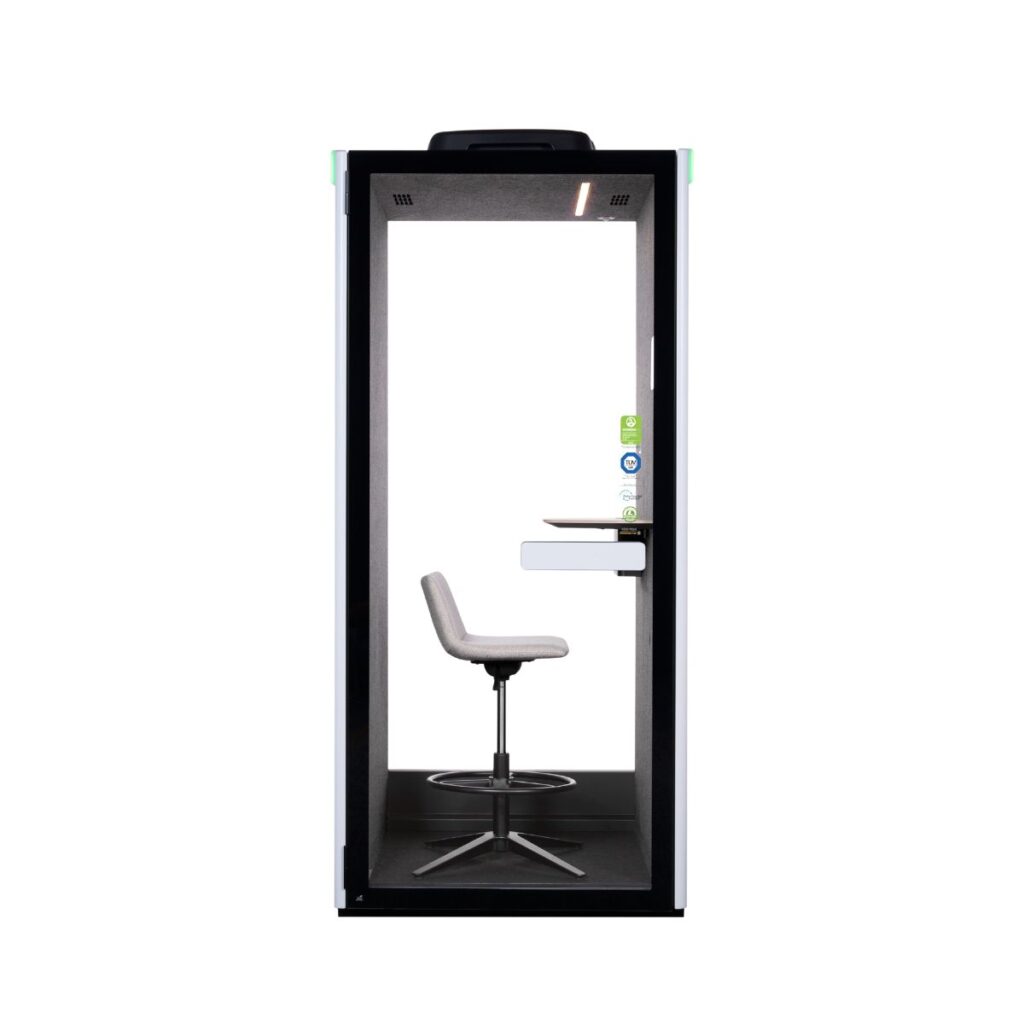
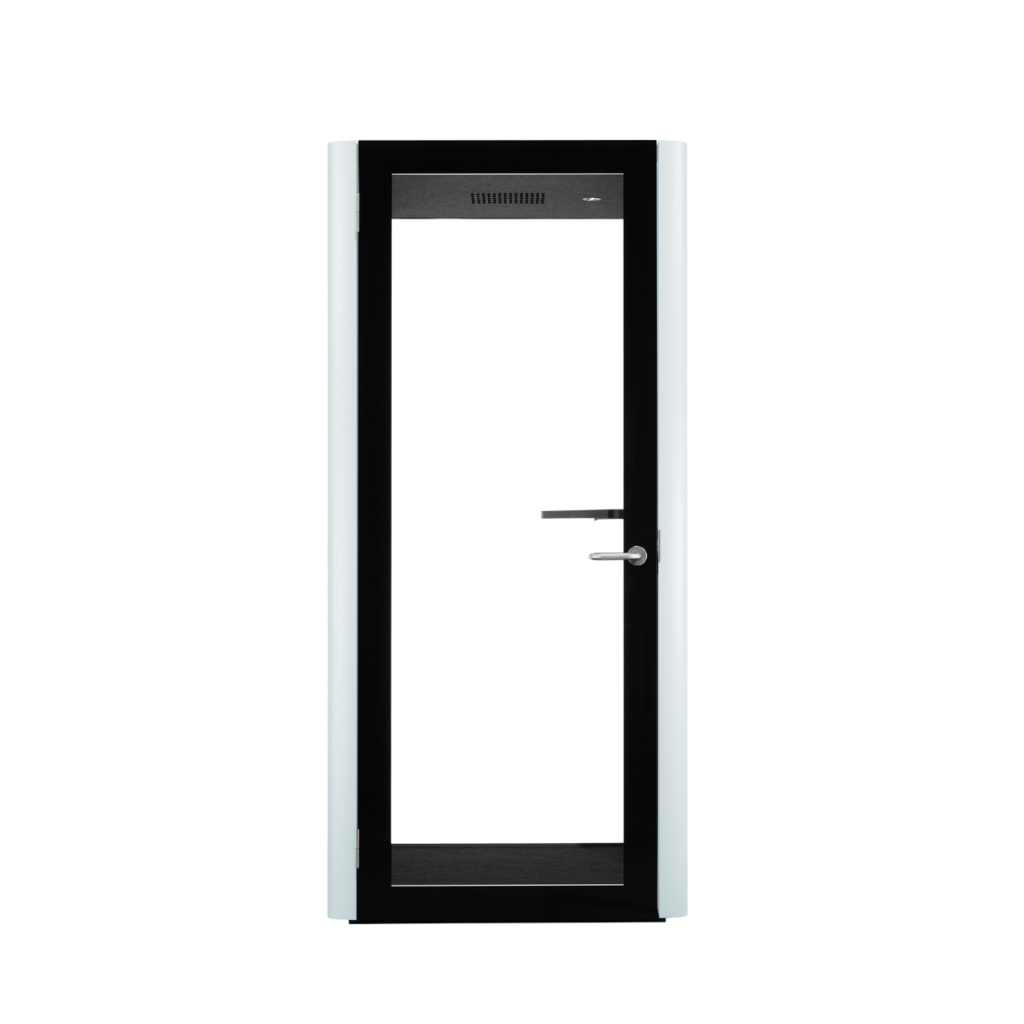
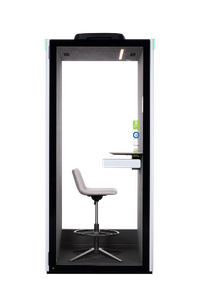
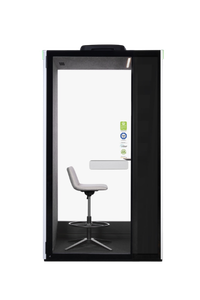
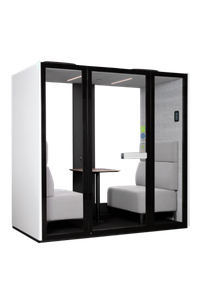
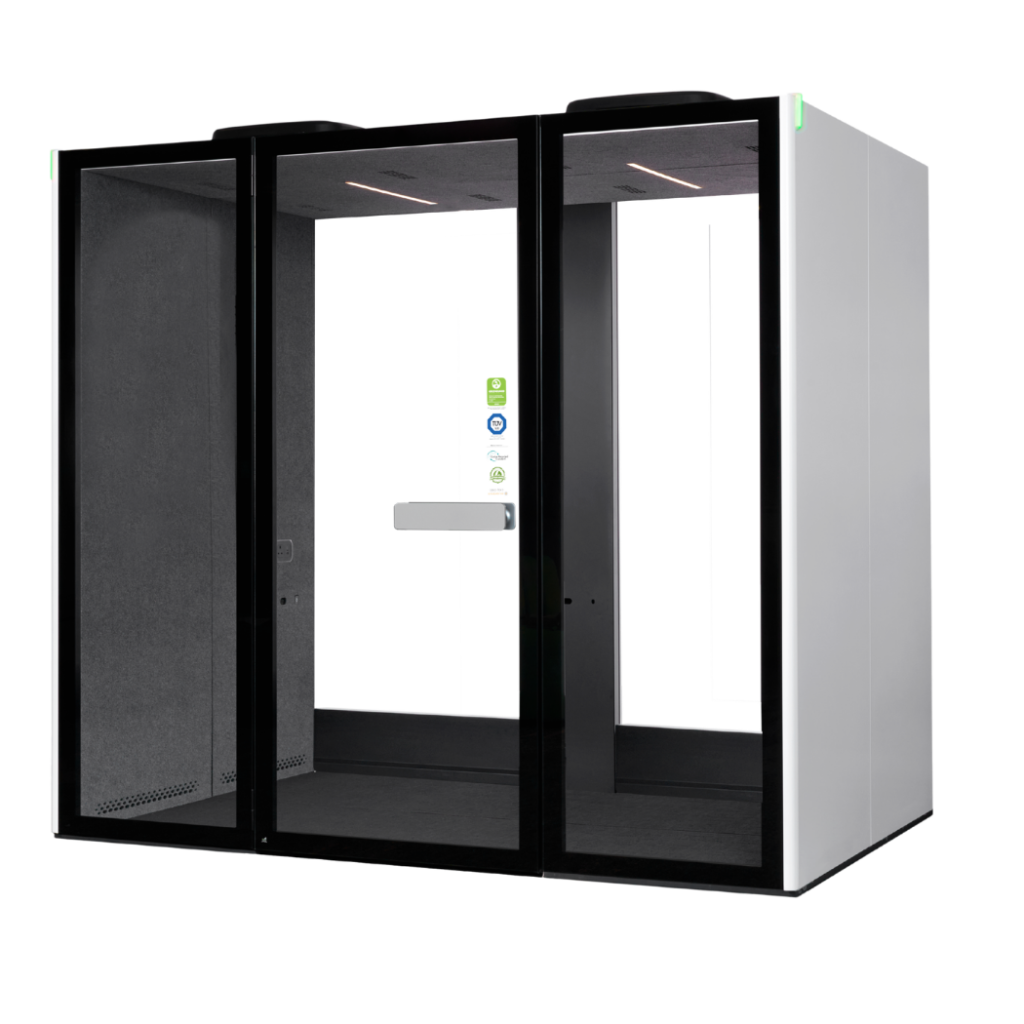
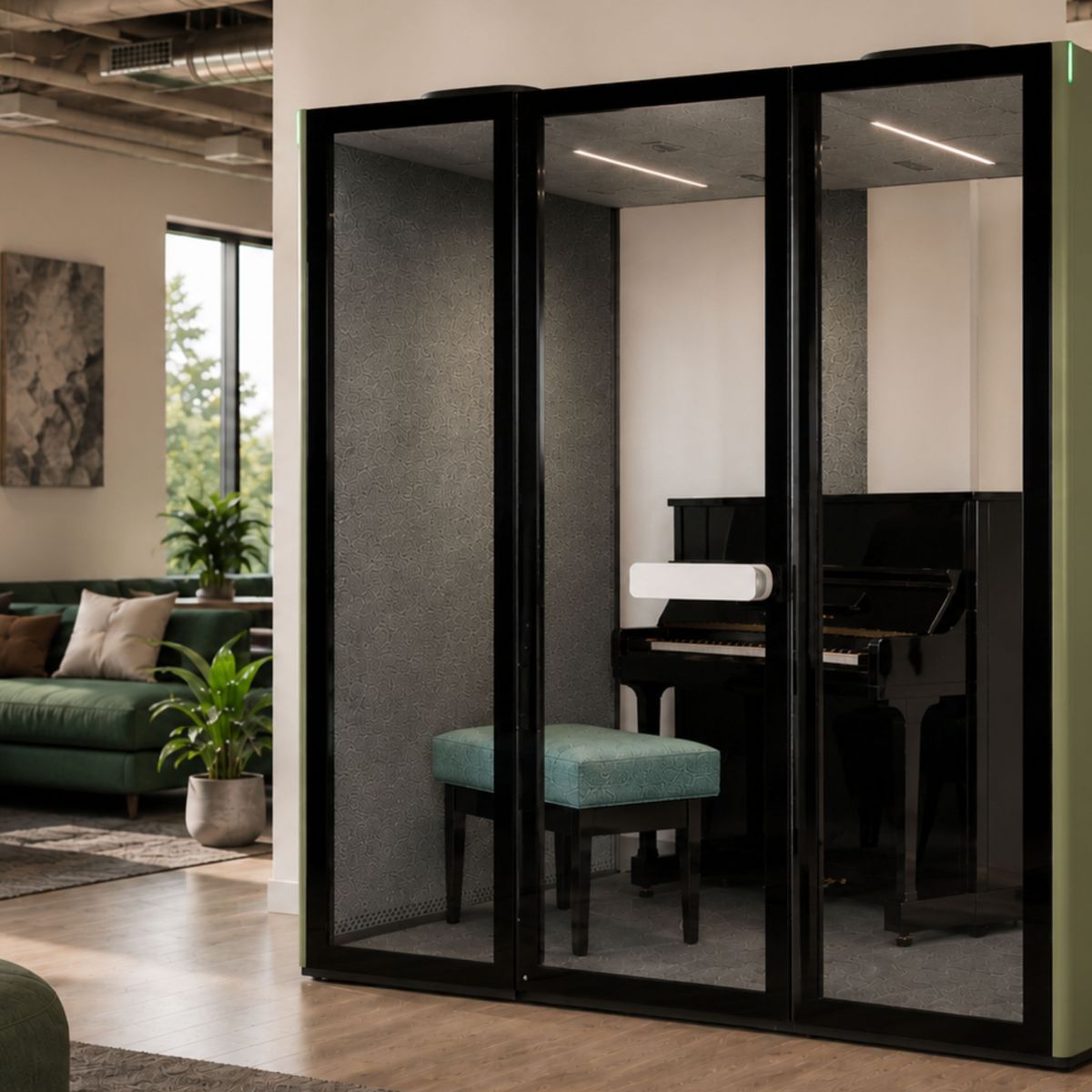
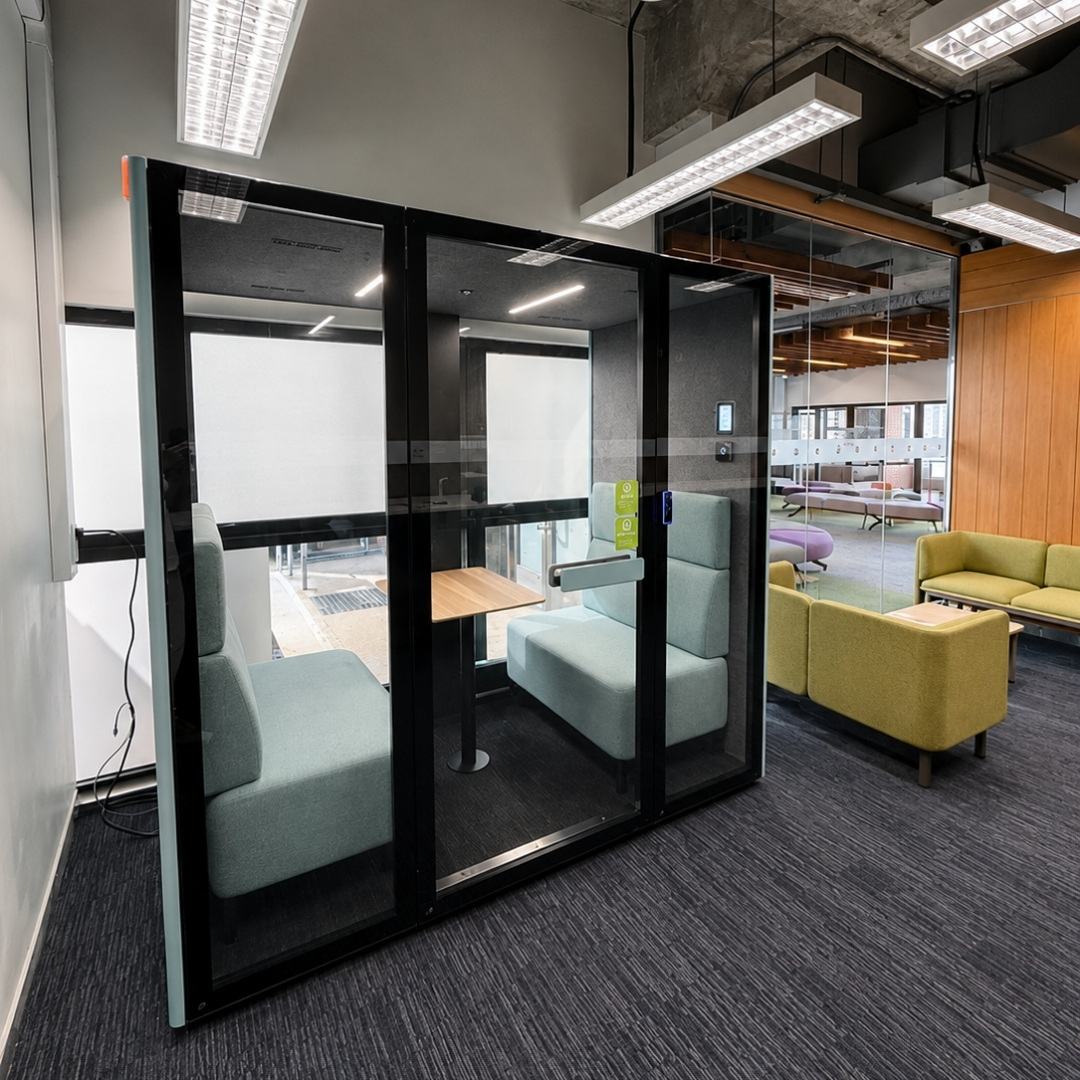
An acoustic pod is a self contained, sound insulated booth that teams can drop into an existing space, such as a library floor, a student union, or a hallway alcove, to instantly create a private, quiet study space. Most pods include:
- Sound dampening walls and ceiling panels that significantly reduce ambient noise transfer
- Built in ventilation and lighting, so the space stays comfortable even when fully enclosed
- Modular installation, meaning crews need no permanent construction, and staff can relocate or reconfigure pods as needs change
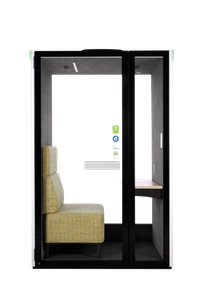
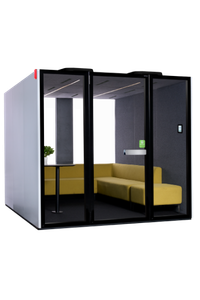
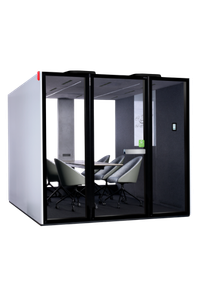
- Single or multi occupant configurations, ranging from solo focus pods to small group study pods
As a result, institutions can add quiet study space anywhere there’s floor space, without hiring architects or filing renovation permits.
Why Schools, Libraries & Universities Are Choosing Acoustic Pod
1. Fast, Flexible Deployment
Because crews can install pods in days rather than months, libraries and campus planners can respond quickly to student demand for more quiet study space.
2. Maximize Existing Square Footage
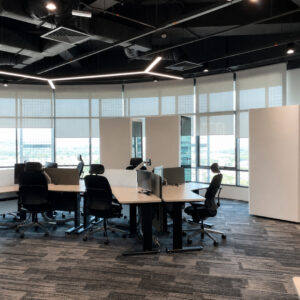
Rather than sacrificing an entire room, institutions can place one or several pods within an open floor plan, turning underused corners or wide hallways into productive quiet study space.
3. Support Neurodiverse and Accommodation Needs
Staff increasingly use enclosed, low stimulation pods to support students who need reduced sensory input to concentrate, including those with ADHD, autism, or anxiety related accommodations.
4. Scalable Across Campus
Institutions can add pods incrementally, starting with a library pilot and then expanding to student unions, dorms, or academic buildings based on usage data.
5. A Visible Commitment to Student Wellbeing
Ultimately, offering dedicated quiet study space shows students and their families that an institution takes focus, mental health, and academic success seriously, which becomes a meaningful factor in enrollment and retention conversations.
What to Look for When Evaluating Acoustic Pods for Your Institution
If your school, library, or university is considering acoustic pods to expand quiet study space, keep these factors in mind:
- Sound reduction rating (measured in dB): Check how much ambient noise the pod actually blocks.
- Ventilation and air quality: This matters most for pods used during extended study sessions.
- Ease of installation and relocation: Confirm whether staff can move the pod as space needs evolve.
- Capacity options: Compare solo pods versus 2 to 4 person configurations for group work.
- Durability and maintenance: Look for rugged materials that can handle high traffic campus environments.
- Accessibility compliance: Make sure the pod meets ADA and similar accessibility standards.
Frequently Asked Question
How much noise reduction does an acoustic pod provide? Quality acoustic pods typically reduce ambient noise significantly compared to open study areas, although the exact reduction varies by model, materials, and pod size.
Are Winpod acoustic pods a permanent installation? No. Because our acoustic pods are modular, staff can relocate or reconfigure them, which makes pods a flexible alternative to permanent room construction.
Can acoustic pods support group study, not just solo focus? Yes. Our acoustic pod models accommodate 1 to 7 occupants, so they work well for both individual quiet study space and small group collaboration.
Why are libraries specifically investing in acoustic pods? Libraries constantly balance collaborative, social space against quiet, focused space. With acoustic pods, they can offer both without redesigning the entire building.
Final Thoughts
As student expectations shift and campus spaces face growing demands, acoustic pods give schools, libraries, and universities a fast, flexible way to expand quiet study space, without the cost and disruption of construction. Ultimately, for institutions that want to support focus, accessibility, and student wellbeing, pods are quickly becoming a standard part of the modern learning environment.
To learn more about Winpod and explore our acoustic workspace solutions, visit www.winpodacoustics.com.