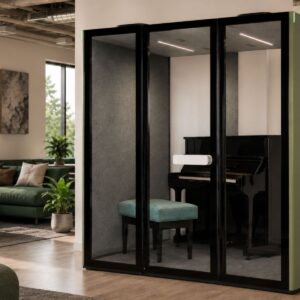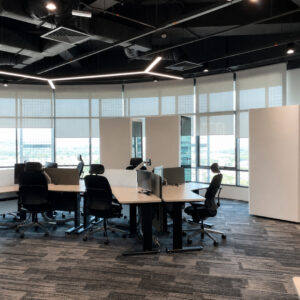
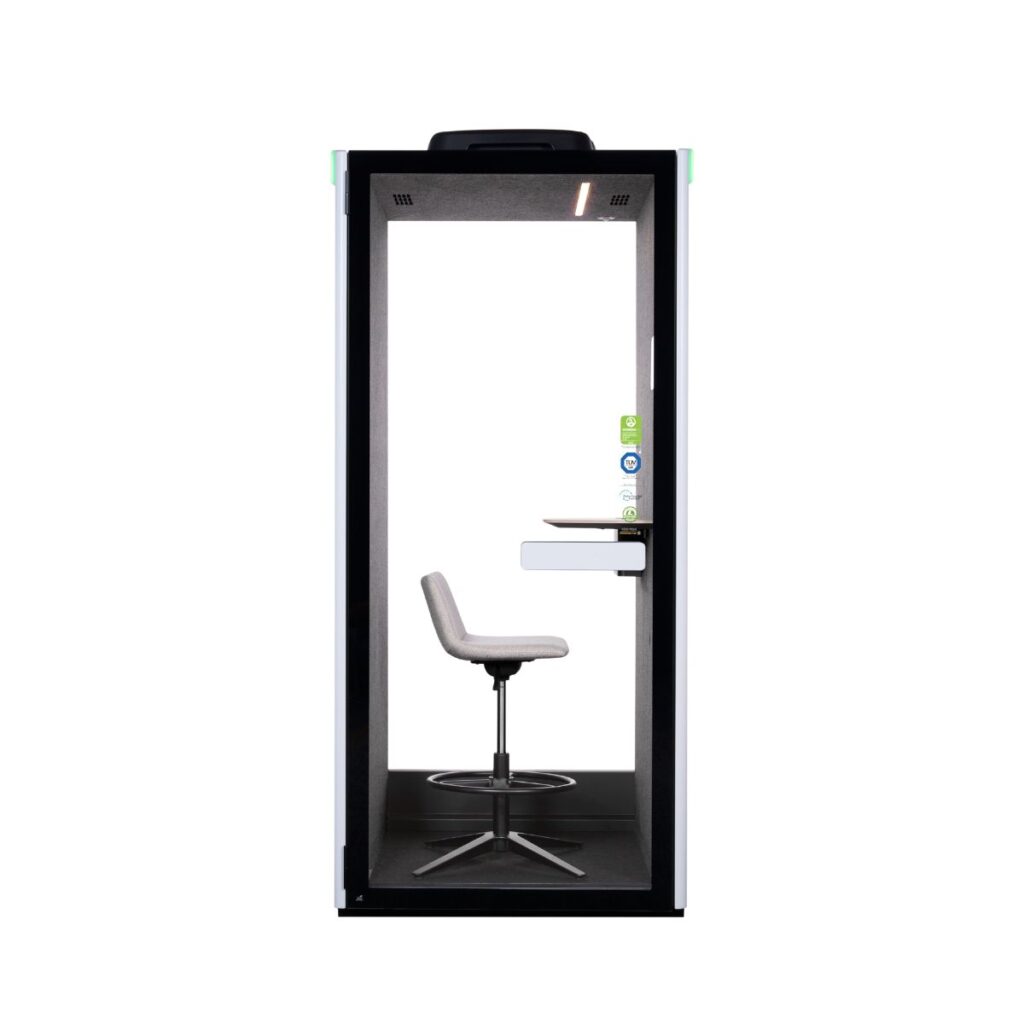
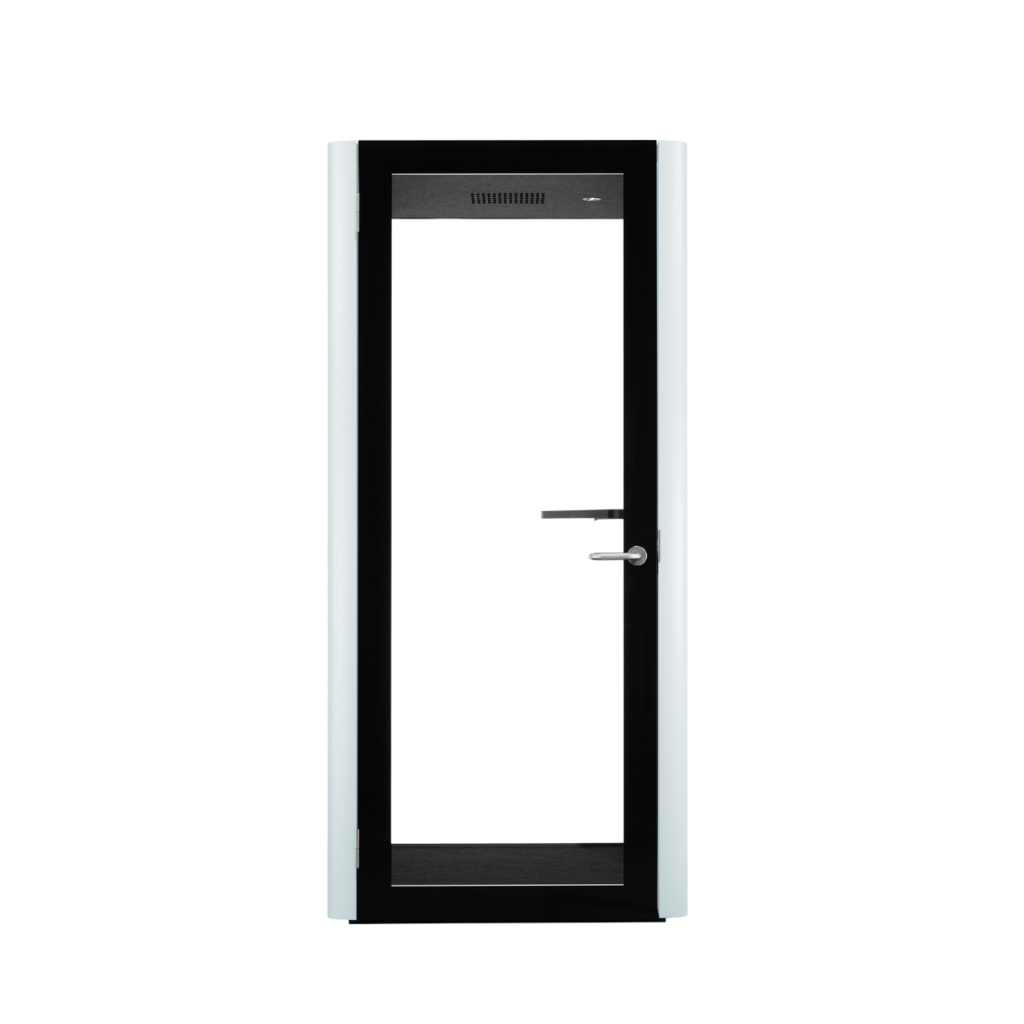

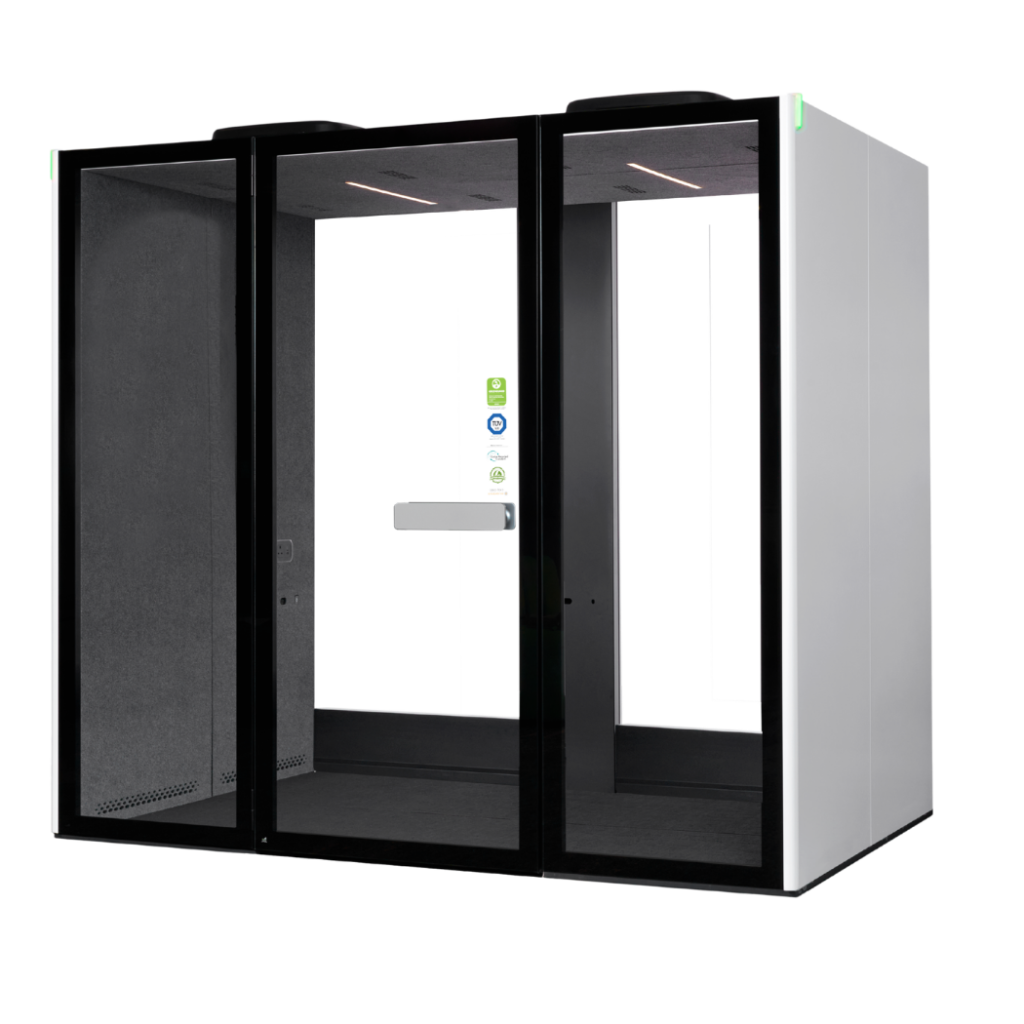


The acoustic pod market has grown quickly, and dozens of manufacturers now offer some version of a soundproof booth or meeting pod. That range of choice is useful, but it also makes it easy to focus on the wrong details. A pod that looks good in a brochure photo does not always perform well in daily use, especially in institutions where pods get heavy, continuous traffic from students, staff or the public. This guide walks through what actually matters before you commit to a purchase.
Start With the Problem You Are Solving
Before comparing specific pods, get clear on what the pod needs to do. A single person booth for quick calls has different requirements than a meeting pod meant to host group discussions or tutoring sessions for hours at a time. Institutions in particular should think about who will use the pod, how often, and for how long, since these answers shape almost every other decision on this list.
Acoustic Performance
This is the entire point of the purchase, so it deserves the closest scrutiny.
Noise reduction rating. Look for a documented sound or speech level reduction figure, ideally tested against a recognized standard rather than a manufacturer’s own internal claim. A higher rating matters more in loud, high traffic environments such as a busy library floor or a school corridor.
Interior acoustics. Sound reduction from outside is only half the equation. The interior should also manage echo well, since a pod with hard, untreated interior surfaces can make a call or conversation sound harsh even if outside noise stays blocked.
Real world testing. Where possible, test a pod in person or request a demo rather than relying on spec sheets alone. Acoustic performance can feel different in practice than it looks on paper.
Ventilation and Comfort
A pod that blocks sound well but feels stuffy after ten minutes will not get used, no matter how good its acoustic rating is.
Airflow. Confirm the pod includes active ventilation, not just passive vents, since a sealed acoustic environment needs mechanical airflow to stay comfortable during extended use.
Temperature and air quality. For longer sessions, such as tutoring blocks or extended meetings, check whether the ventilation system can maintain comfortable conditions over time rather than only for short calls.
Lighting. Interior lighting should be bright enough for reading, writing or video calls without causing glare, particularly important for institutional settings where pods may double as study spaces.
Size, Layout and Capacity
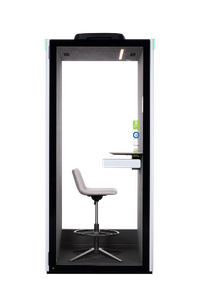
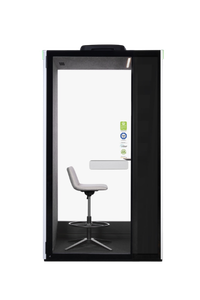
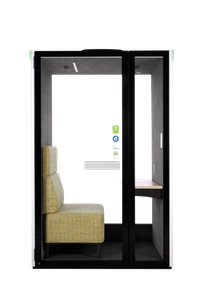
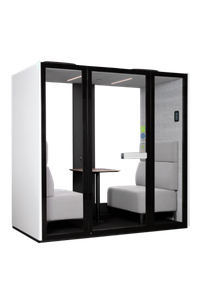
Match capacity to actual use. A single person phone booth and a four to six person meeting pod solve different problems. Buying the wrong size either wastes floor space or creates a bottleneck where people wait to use an undersized pod.
Footprint versus floor plan. Measure the intended installation space carefully, including door clearance and any access requirements, before finalizing a purchase. This matters especially in older institutional buildings where floor plans were not designed with pods in mind.
Interior layout. Consider what furniture the pod includes. A phone booth may only need a stool or narrow shelf, while a meeting pod needs a proper table and enough seating for its stated capacity.
Build Quality and Durability
Institutional environments tend to see heavier daily use than a typical private office, which makes durability a bigger factor than it might initially seem.
Materials. Ask what materials make up the walls, door mechanism and interior panels, and how those materials hold up to frequent use over several years.
Door and hardware. Doors and hinges see constant use in high traffic settings. Confirm the hardware is rated for heavy daily cycling rather than occasional office use.
Warranty and lifespan. A longer warranty period is often a reasonable proxy for how confident a manufacturer is in their own build quality.
Compliance and Certification
For institutional procurement, this section can matter as much as acoustic performance, since many purchases require sign off from facilities or compliance teams.
Fire safety. Confirm the pod meets relevant fire safety standards for enclosed structures, including materials used and any required smoke or heat detection.
Electrical safety. Any pod with built in lighting, ventilation or power outlets should carry appropriate electrical certification for the region it will be installed in.
Building code compliance. Some jurisdictions treat pods as furniture, while others may apply stricter rules depending on size or fixed installation. Confirm this before purchase to avoid delays during procurement approval.
Installation and Logistics
Assembly time. One of the main advantages of a pod over construction is speed. Ask for a realistic installation timeline, including any lead time for delivery.
Delivery access. Confirm the pod can actually reach its intended location, including elevator dimensions, doorway widths and any stairs, especially in older buildings.
Relocation. If there is any chance the pod will need to move in the future, ask whether the manufacturer supports disassembly and reinstallation, and what that process involves.
Cost and Long Term Value
Look past the sticker price. A cheaper pod with poor acoustic performance, weak ventilation or a short warranty period can end up costing more over time through underuse, repairs or early replacement.
Total cost of ownership. Factor in installation, any required maintenance and the realistic lifespan of the pod, not just the upfront purchase price.
Support after purchase. Ask what happens if something needs repair. A manufacturer or distributor that offers ongoing support and replacement parts adds real value beyond the initial sale.
A Quick Checklist Before You Buy
- Confirm the documented noise reduction rating and how it was tested
- Check ventilation specifications for extended use, not just short calls
- Match pod size and layout to actual expected use
- Ask about materials and hardware durability
- Verify fire safety, electrical and building code compliance
- Get a realistic installation timeline and confirm delivery access
- Calculate total cost of ownership, not just the purchase price
- Clarify what support and warranty coverage look like after the sale
Final Thoughts
Buying an acoustic pod is easy to treat as a simple furniture purchase, but the details that matter most, acoustic performance, ventilation, durability and compliance, are not always visible at first glance. Institutions in particular benefit from slowing down on this decision, since pods in schools, universities and libraries tend to see heavier and more varied use than a typical office setting. A little extra diligence upfront leads to a purchase that actually gets used, rather than one that ends up sitting empty after the novelty wears off.
To learn more about Winpod and explore our acoustic workspace solutions, visit www.winpodacoustics.com