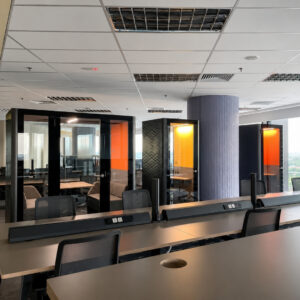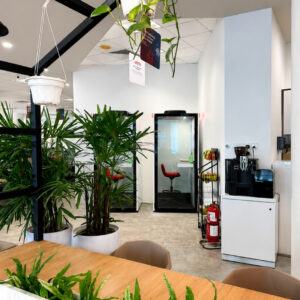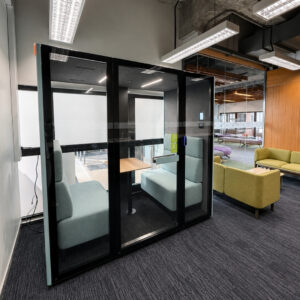
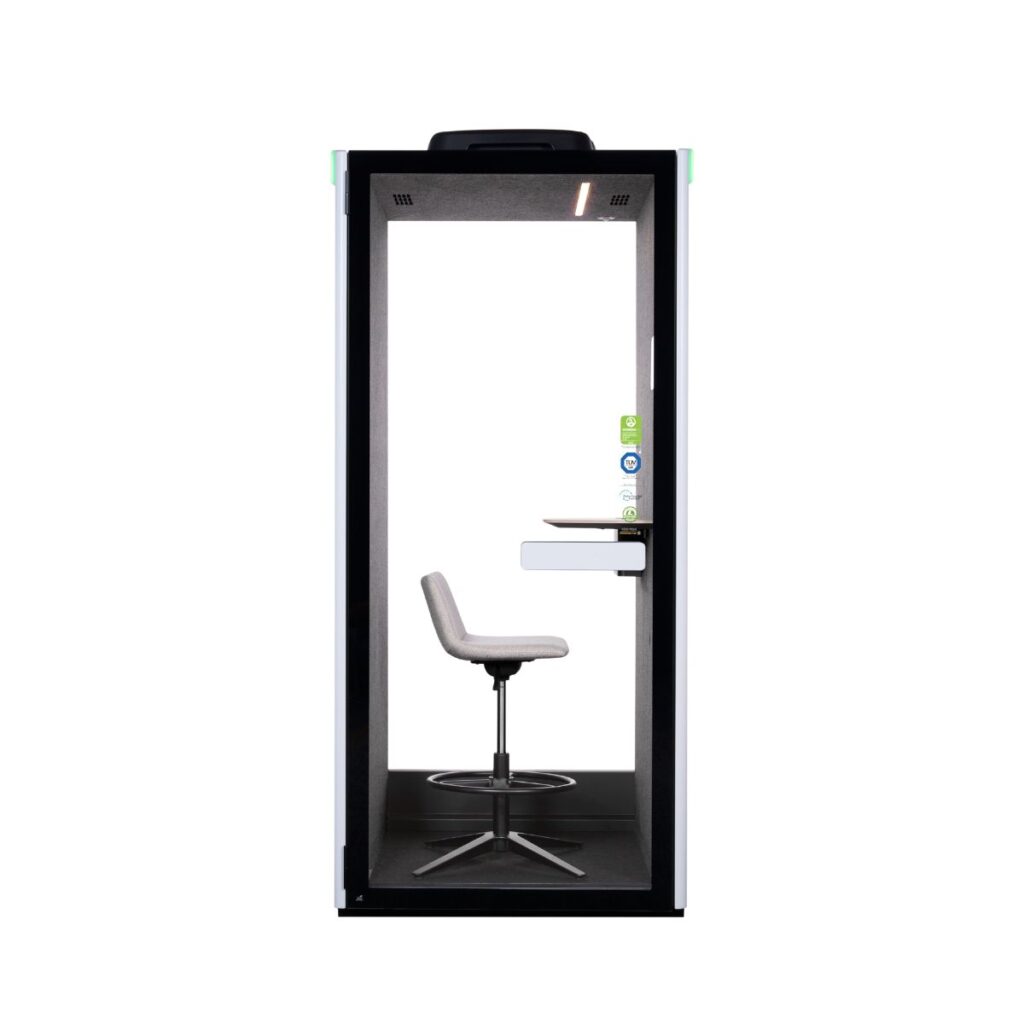
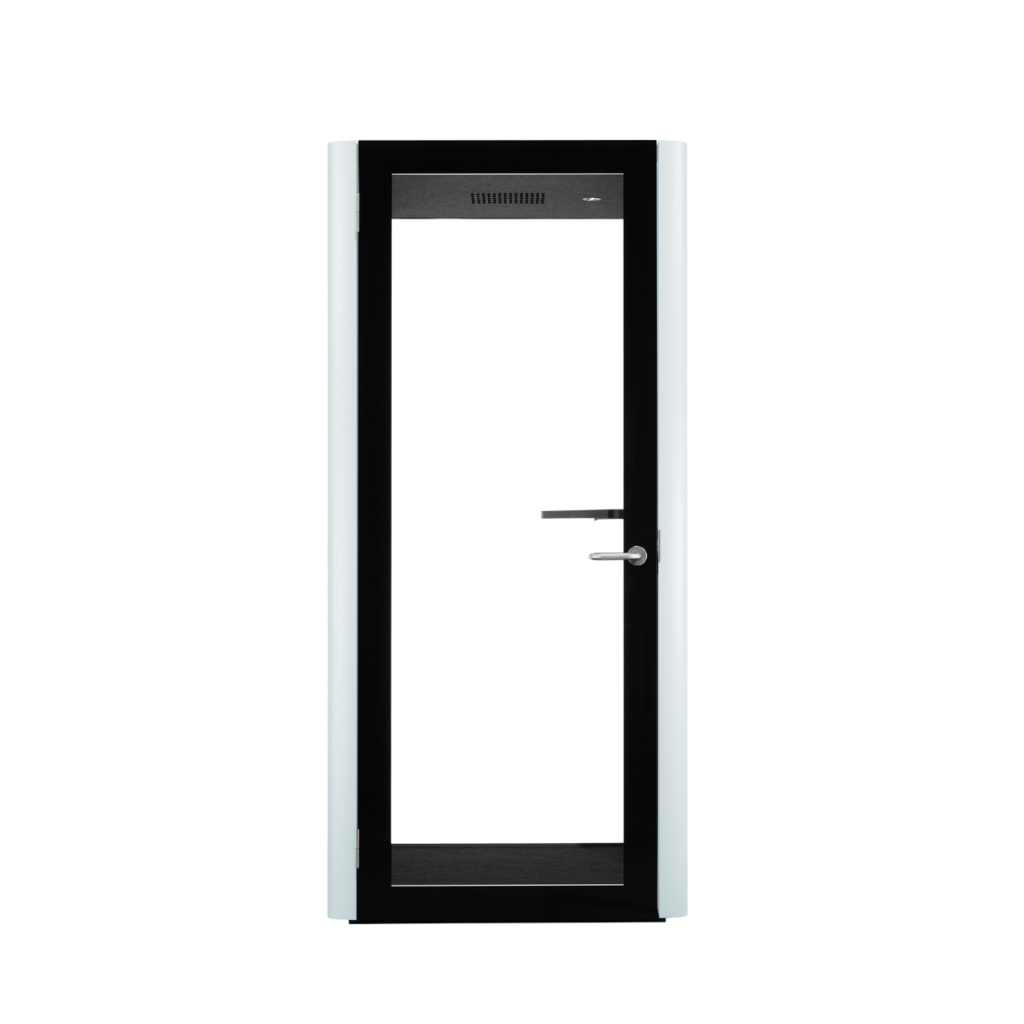

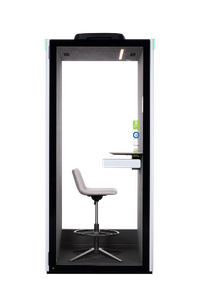
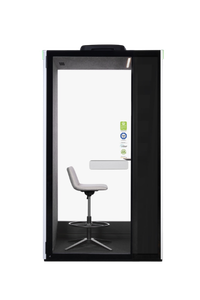
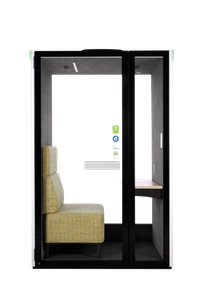
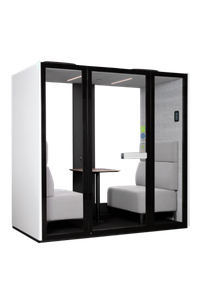
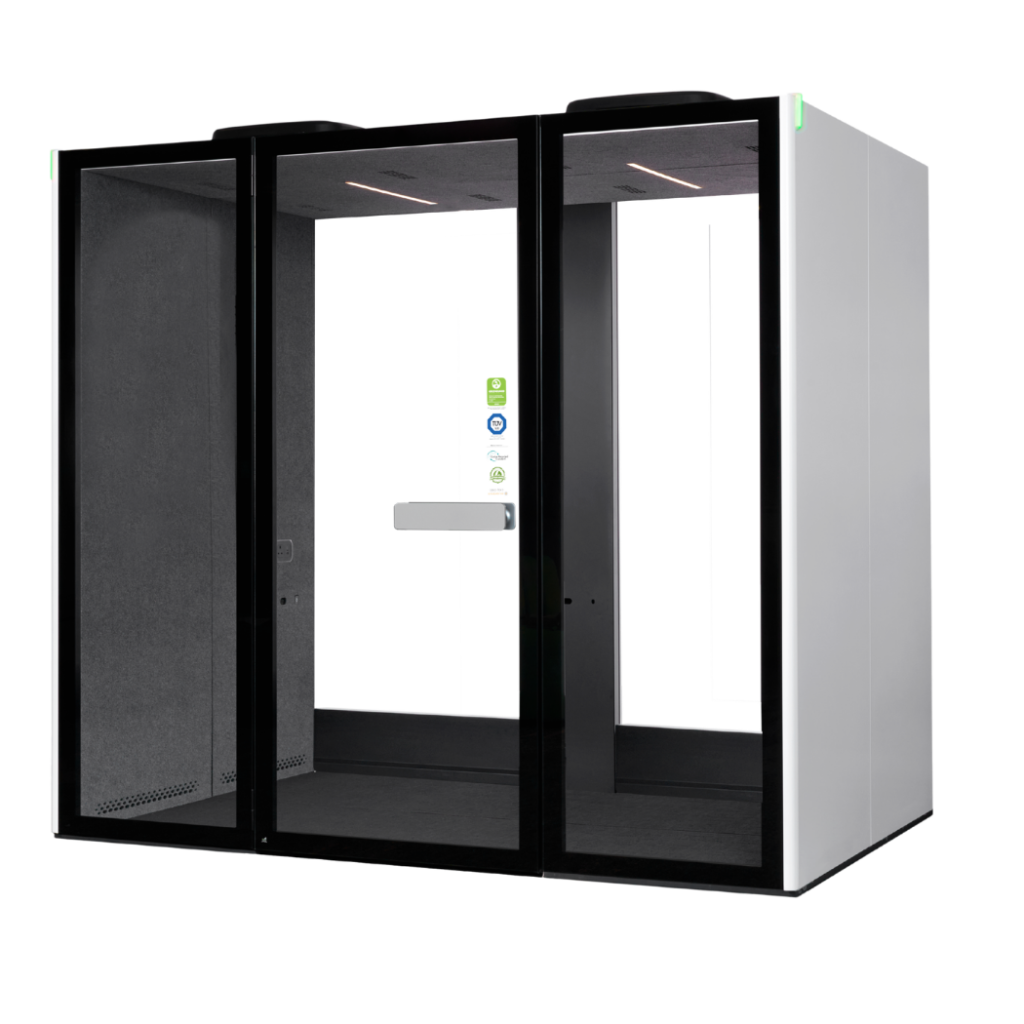
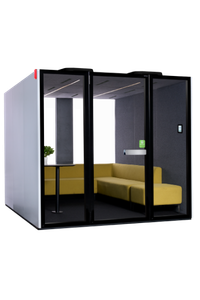
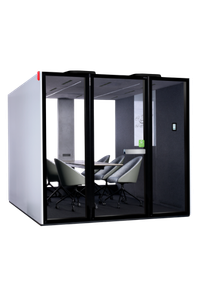
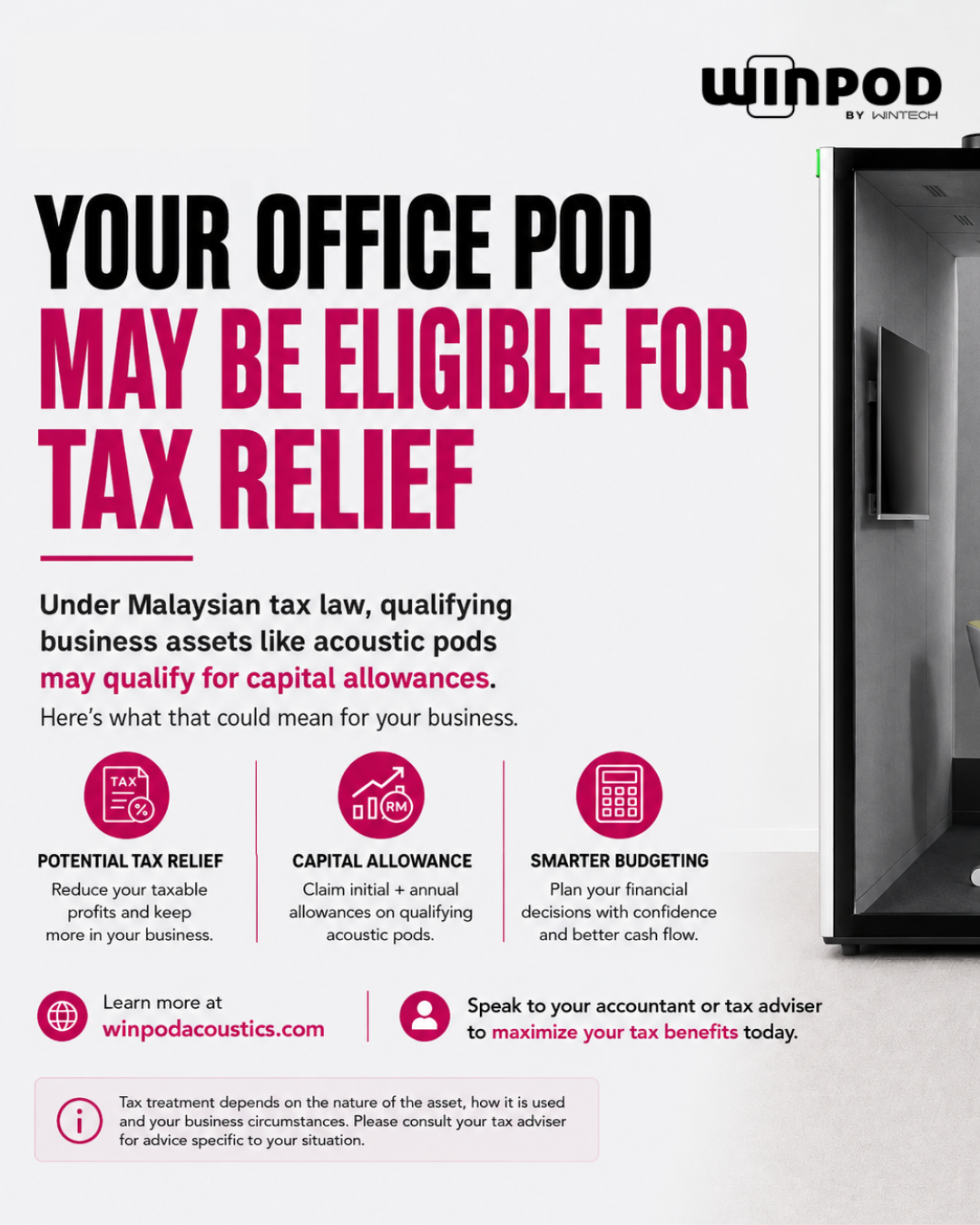
Investing in a better workplace is not only about improving employee comfort and productivity. Certain business assets may also qualify for capital allowances under Malaysian tax rules, subject to the nature of the asset, how it is used and the applicable tax requirements.
For companies considering acoustic pods for private calls, focused work or meetings, understanding how capital allowances work can help finance and management teams evaluate the potential tax treatment of the investment.
But does purchasing an acoustic pod automatically qualify your business for tax relief?
Not necessarily.
Here is what businesses should know.
What Is Capital Allowance in Malaysia?
Businesses regularly purchase assets such as machinery, computers, office equipment, furniture and other equipment to support their operations.
For tax purposes, accounting depreciation on these assets is generally not deductible when calculating adjusted business income. Instead, qualifying business assets may be eligible for capital allowances under Schedule 3 of the Income Tax Act 1967.
Capital allowance effectively provides tax relief on qualifying capital expenditure over a prescribed period.
According to the Inland Revenue Board of Malaysia (LHDN/IRBM), capital allowances on qualifying business assets are deducted against adjusted business income.
For a business to claim capital allowance, relevant conditions must be satisfied, including requirements relating to the ownership and use of the asset for business purposes.
What Are the General Capital Allowance Rates?
LHDN currently lists the following general rates for qualifying assets:
| Type of Asset | Initial Allowance | Annual Allowance |
|---|---|---|
| Computer & ICT equipment | 20% | 40% |
| Motor vehicles & heavy machinery | 20% | 20% |
| Plant & machinery | 20% | 14% |
| Office equipment, furniture, fittings & others | 20% | 10% |
The Initial Allowance (IA) is generally available in the first qualifying year, while the Annual Allowance (AA) is available at the applicable prescribed rate, subject to the relevant conditions.
Can an Acoustic Pod Qualify for Capital Allowance?
This is where businesses need to be careful.
Malaysian tax legislation does not specifically list “acoustic pods” or “office pods” as a separate category of qualifying assets.
Whether a freestanding acoustic pod qualifies for capital allowance therefore depends on factors such as its design, installation, function, ownership and actual use within the business.
LHDN Public Ruling No. 12/2014 provides guidance on determining whether an asset constitutes qualifying plant and machinery for capital allowance purposes.
For example, a modular acoustic pod used by a business as a functional workplace asset for:
- private phone or video calls;
- focused individual work;
- confidential discussions;
- internal or client meetings; or
- collaborative work
may potentially qualify for capital allowance, depending on the facts and circumstances.
However, businesses should not automatically assume that every acoustic pod will be classified as office equipment, furniture or plant and machinery.
The appropriate classification and therefore the applicable capital allowance rate should be confirmed with the company’s accountant, tax adviser or LHDN.
Why the Classification Matters?
Different categories of qualifying assets can have different annual allowance rates.
For example, LHDN currently provides a 20% Initial Allowance and 10% Annual Allowance for office equipment, furniture, fittings and other qualifying assets.
Plant and machinery, meanwhile, generally carries a 20% Initial Allowance and 14% Annual Allowance.
Therefore, the tax treatment of an acoustic pod will depend on how the asset is classified for Malaysian tax purposes.
Businesses should avoid assuming a particular rate solely because the pod is located inside an office.
Example: How Capital Allowance Could Work
For illustration, suppose a company purchases a qualifying business asset for:
Purchase price: RM40,000
If, based on professional tax advice, the asset qualifies under a category carrying:
- Initial Allowance: 20%
- Annual Allowance: 10%
the first-year capital allowance could be:
Initial Allowance
RM40,000 × 20% = RM8,000
Annual Allowance
RM40,000 × 10% = RM4,000
Potential first-year capital allowance: RM12,000
This means RM12,000 could potentially be deducted in determining the company’s statutory business income for that year, subject to the applicable Malaysian tax rules and the company’s circumstances.
Importantly, RM12,000 is not a RM12,000 cash refund or direct reduction in tax payable.
It is a tax allowance used in computing taxable business income.
Illustrative Tax Effect
For example, if a company were subject to a 24% corporate income tax rate and could fully utilise a RM12,000 capital allowance:
RM12,000 × 24% = RM2,880
The illustrative tax effect would therefore be approximately RM2,880.
This is only a simplified example. Actual tax savings depend on the company’s applicable tax rate, taxable income, asset classification and eligibility.
Budget 2026: Accelerated Capital Allowance
Malaysia’s Budget 2026 also introduced a proposal for Accelerated Capital Allowance (ACA) on certain qualifying capital expenditure.
The proposal provides an:
Initial Allowance: 20%
Annual Allowance: 40%
allowing qualifying expenditure to potentially be fully claimed within two years.
According to the Budget 2026 tax measures, qualifying expenditure includes specified categories such as:
- heavy machinery procured from local manufacturers;
- plant and general machinery acquired from local manufacturers;
- ICT equipment and computer software; and
- certain expenditure associated with customised computer software development.
The measure applies to qualifying capital expenditure incurred from 11 October 2025 to 31 December 2026.
However, businesses should not assume that the purchase of an acoustic pod automatically qualifies for this Accelerated Capital Allowance.
Eligibility depends on whether the asset satisfies the prescribed requirements and classification.
Businesses considering this incentive should obtain professional tax advice before making a claim.
Budget 2026: Renovation and Refurbishment for Tourism Projects
Budget 2026 also proposed a separate tax deduction for qualifying renovation and refurbishment expenditure incurred by eligible tourism project operators.
Under the proposal, tourism project operators registered with the Ministry of Tourism, Arts and Culture (MOTAC) may claim a tax deduction of up to RM500,000 on qualifying renovation and refurbishment expenditure for business purposes.
The measure applies to qualifying expenditure incurred from 11 October 2025 to 31 December 2027.
This is a specific incentive for qualifying tourism project operators and should not be interpreted as a general RM500,000 renovation deduction available to all Malaysian businesses.
What Should Businesses Do Before Purchasing an Acoustic Pod?
If tax treatment forms part of your investment decision, your finance or tax team should consider:
- Whether the company will own the acoustic pod.
- Whether the pod will be used for the purposes of the business.
- Whether the expenditure constitutes qualifying capital expenditure.
- How the asset should be classified for capital allowance purposes.
- Which Initial Allowance and Annual Allowance rates apply.
- Whether any current tax incentive or Accelerated Capital Allowance applies.
- What invoices, specifications and supporting documentation should be retained.
A tax adviser can assess these factors based on your company’s circumstances.
More Than Just a Workplace Upgrade
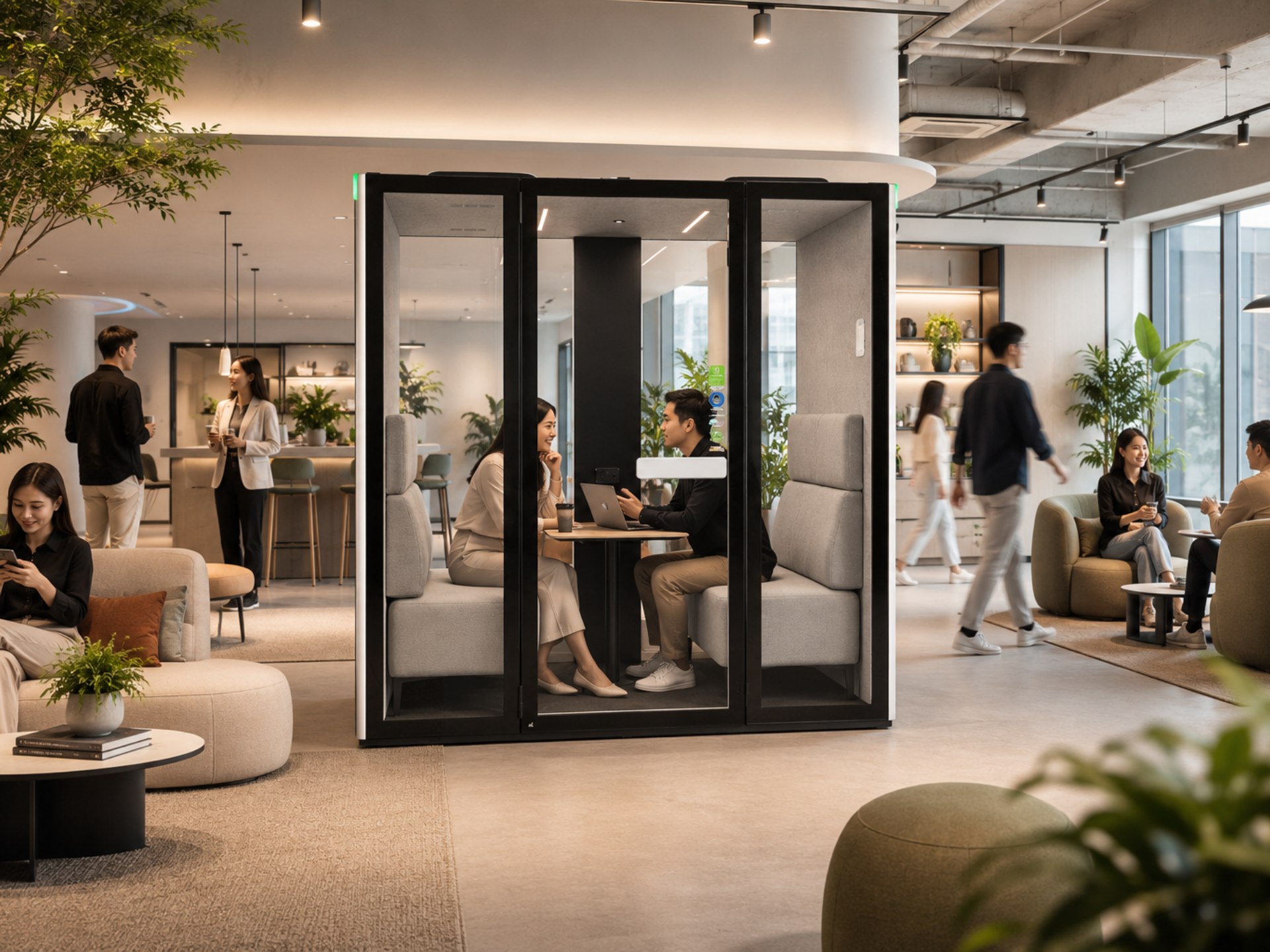
Acoustic pods can help businesses create dedicated spaces for meetings, confidential conversations, video calls and focused work without constructing permanent meeting rooms.
For businesses planning a workplace upgrade, the potential tax treatment of qualifying assets can also form part of the overall investment assessment.
However, capital allowance eligibility should always be determined based on the specific asset and the applicable Malaysian tax rules.
Planning an Acoustic Pod for Your Workplace?
Winpod offers modular acoustic pods designed for modern offices, meeting environments and focused workspaces.
Our team can provide product specifications, quotations and supporting commercial documentation that your finance or tax adviser may require when assessing the purchase.
Explore Winpod Acoustic Pods:
www.winpodacoustics.com
Speak with our team for a quotation or product consultation.
Important Tax Disclaimer
This article is provided for general informational purposes only and does not constitute tax, accounting or legal advice.
The availability of capital allowances, applicable rates and classification of an acoustic pod depend on the characteristics and use of the asset, the taxpayer’s circumstances and Malaysian tax laws and regulations in force at the relevant time.
Winpod does not represent or guarantee that the purchase of any Winpod acoustic pod will qualify for capital allowance, Accelerated Capital Allowance or any other tax deduction or incentive.
Businesses should consult a qualified tax adviser, accountant or the Inland Revenue Board of Malaysia (LHDN/IRBM) before making a tax claim.
Sources & Further Reading
1. Inland Revenue Board of Malaysia (LHDN/IRBM) — Capital Allowance Rates
LHDN’s guidance lists the general capital allowance rates, including 20% Initial Allowance and Annual Allowance rates of 10% for office equipment/furniture/fittings, 14% for plant and machinery, 20% for motor vehicles/heavy machinery and 40% for computer and ICT equipment.
2. Inland Revenue Board of Malaysia — Public Ruling No. 12/2014: Qualifying Plant and Machinery for Claiming Capital Allowances
This Public Ruling provides guidance on determining whether expenditure on an asset qualifies as plant and machinery for capital allowance purposes.
3. Inland Revenue Board of Malaysia — Company FAQ: Capital Allowance
LHDN explains the general requirements surrounding ownership, business use and capital allowance claims and refers taxpayers to the relevant Public Rulings.
4. Ministry of Finance Malaysia — Budget 2026 Tax Measures, Appendix 21
Provides details of the proposed Accelerated Capital Allowance for qualifying capital expenditure, including the 20% Initial Allowance and 40% Annual Allowance and the applicable expenditure period.
5. Ministry of Finance Malaysia — Budget 2026 Tax Measures, Appendix 27
Provides details of the proposed tax deduction of up to RM500,000 for qualifying renovation and refurbishment expenditure incurred by tourism project operators registered with MOTAC.
Tax information reviewed against publicly available Malaysian tax guidance. Businesses should verify the latest legislation and subsidiary regulations when making a tax claim.